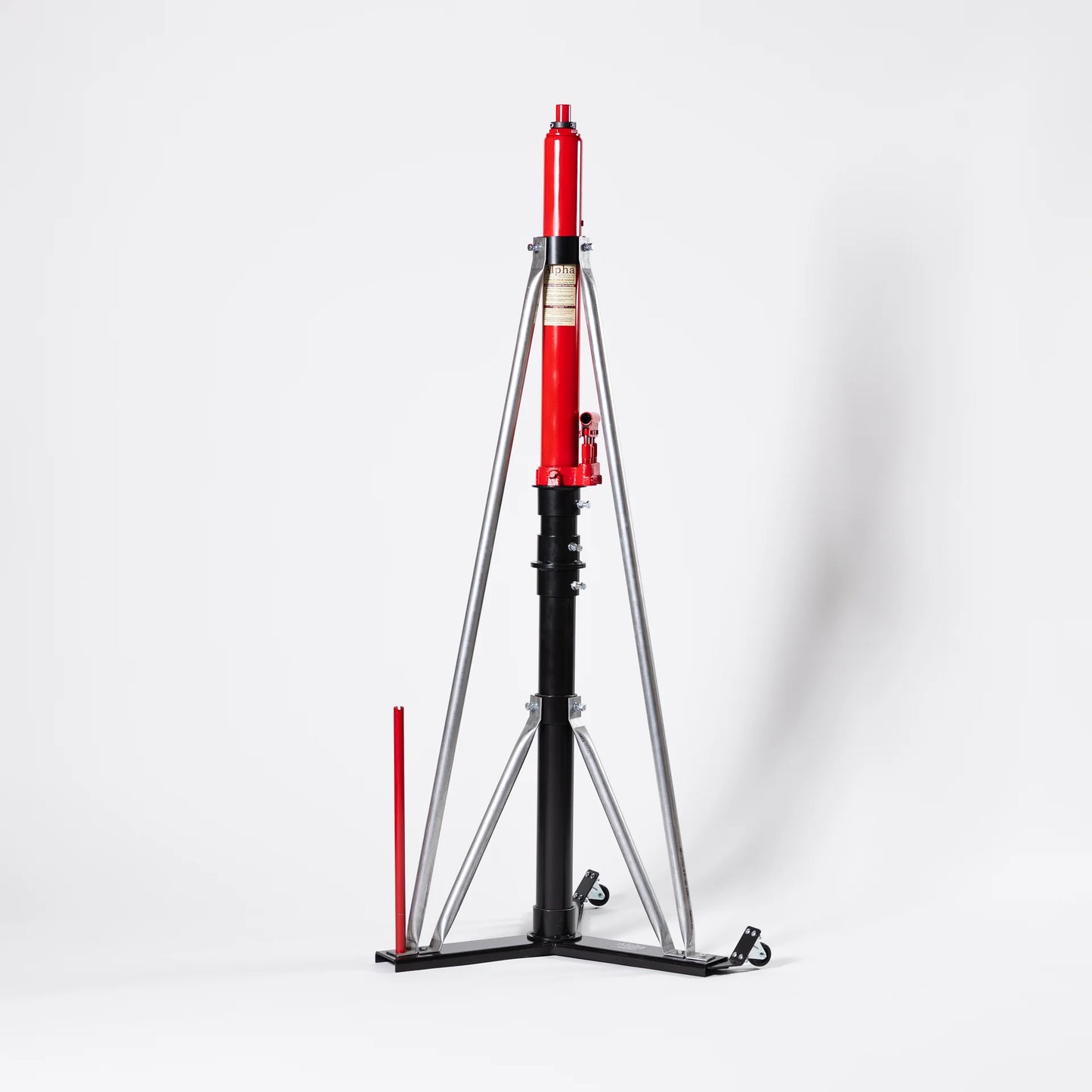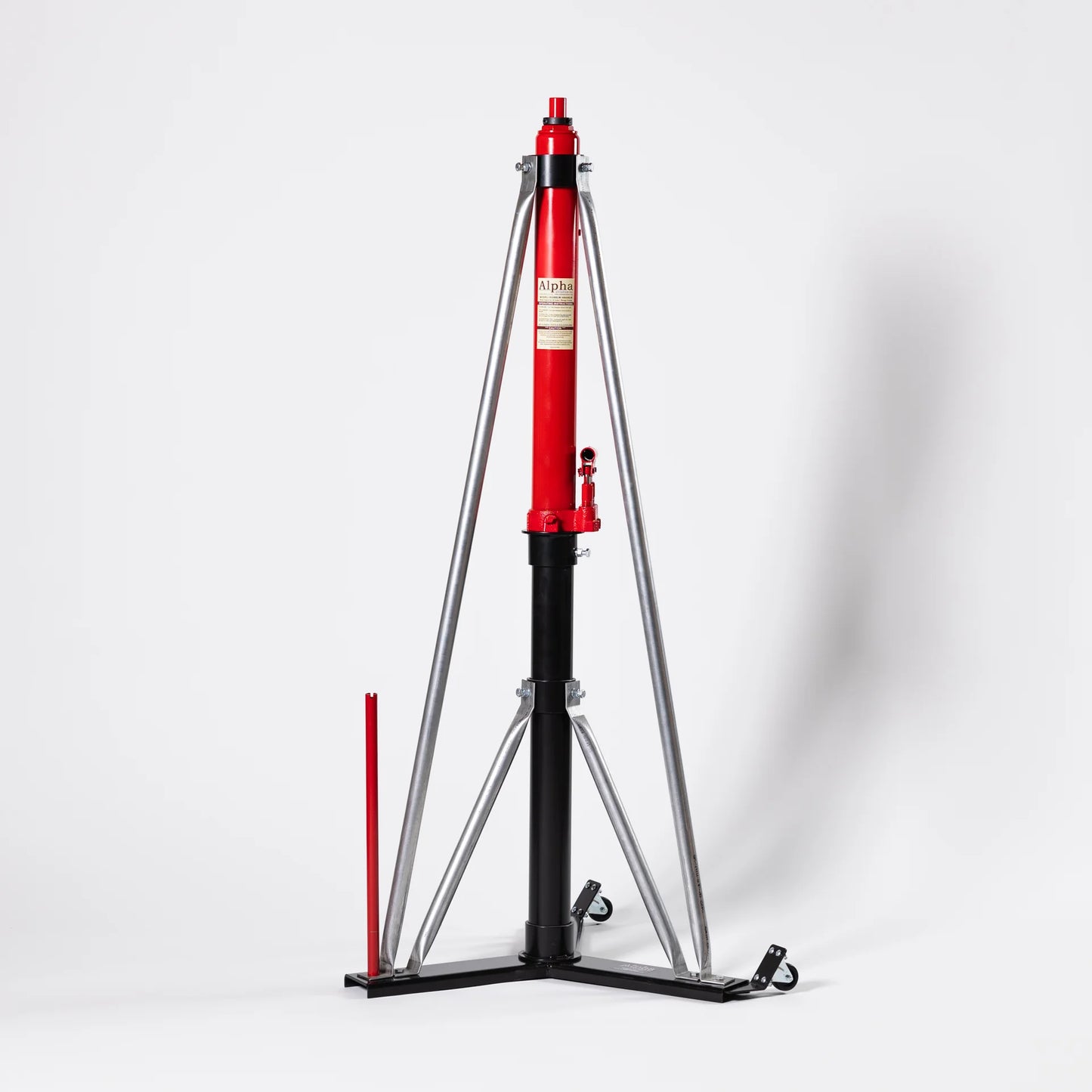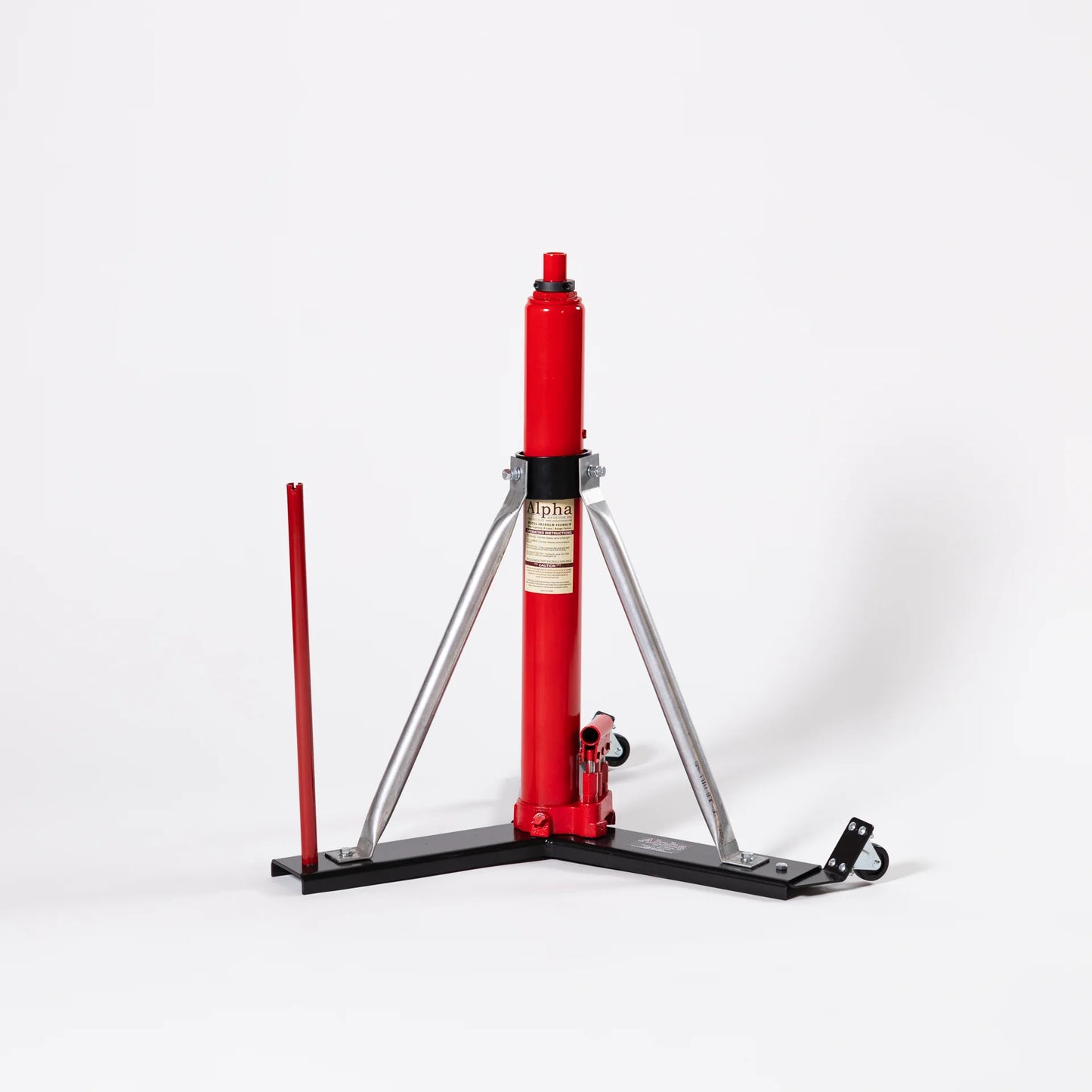
Jacking an aircraft’s main landing gear shifts its balance point, and on tail-heavy or short-coupled aircraft, that shift can be enough to tip the tail down onto the ground or, worse, cause the aircraft to rock unpredictably while it’s up on the jacks. A tail weight, sometimes called a tail stand or tail support post, exists specifically to prevent that by holding the tail down and stable while the mains are lifted.
This guide explains when a tail weight is actually required, when it’s optional but still a good idea, and how to choose between the tail weight options available for your aircraft.
Key Takeaways
- A tail weight prevents an aircraft from tipping tail-down or rocking unpredictably while the main landing gear is jacked.
- Whether a tail weight is required, recommended, or unnecessary depends on your aircraft’s specific weight and balance characteristics, not a universal rule.
- Tail weight posts and portable tail weight systems are typically sized to a maximum aircraft weight rating, similar to how jacks are rated by tonnage.
- Skipping a required tail weight risks a tail strike, gear damage, or an aircraft falling off its jacks, none of which are worth the time saved.
Why Jacking the Mains Alone Can Be Unstable
An aircraft’s weight distribution changes the moment its main landing gear leaves the ground. On many light aircraft, especially those with a shorter fuselage relative to their wingspan or a rearward center of gravity when unoccupied, removing ground contact at the mains shifts enough weight aft that the tail can settle to the ground or the aircraft can begin to rock on the jack points. Neither outcome is just inconvenient. A tail strike can damage the empennage, and an aircraft that rocks or shifts unexpectedly while jacked is a real risk to anyone working underneath it.
A tail weight counters this by adding a stabilizing downward force (or, in some configurations, a support point) at the tail, holding the aircraft’s balance in check while the mains are up.
When a Tail Weight Is Actually Required
Whether you need a tail weight depends on your specific aircraft’s weight and balance characteristics, which your maintenance manual will specify. Aircraft with a naturally tail-heavy stance when unoccupied, or aircraft whose maintenance manual explicitly calls for tail support during main gear jacking, require it as a matter of procedure, not preference.
Even where a tail weight isn’t strictly mandated by the manual, many mechanics use one as standard practice on any aircraft where the empty-weight balance point is close enough to the tipping threshold that a small disturbance, a technician leaning on the fuselage, a gust of wind through an open hangar door, could shift things unexpectedly.
Portable Tail Weight Posts vs. Standard Tail Weight Posts
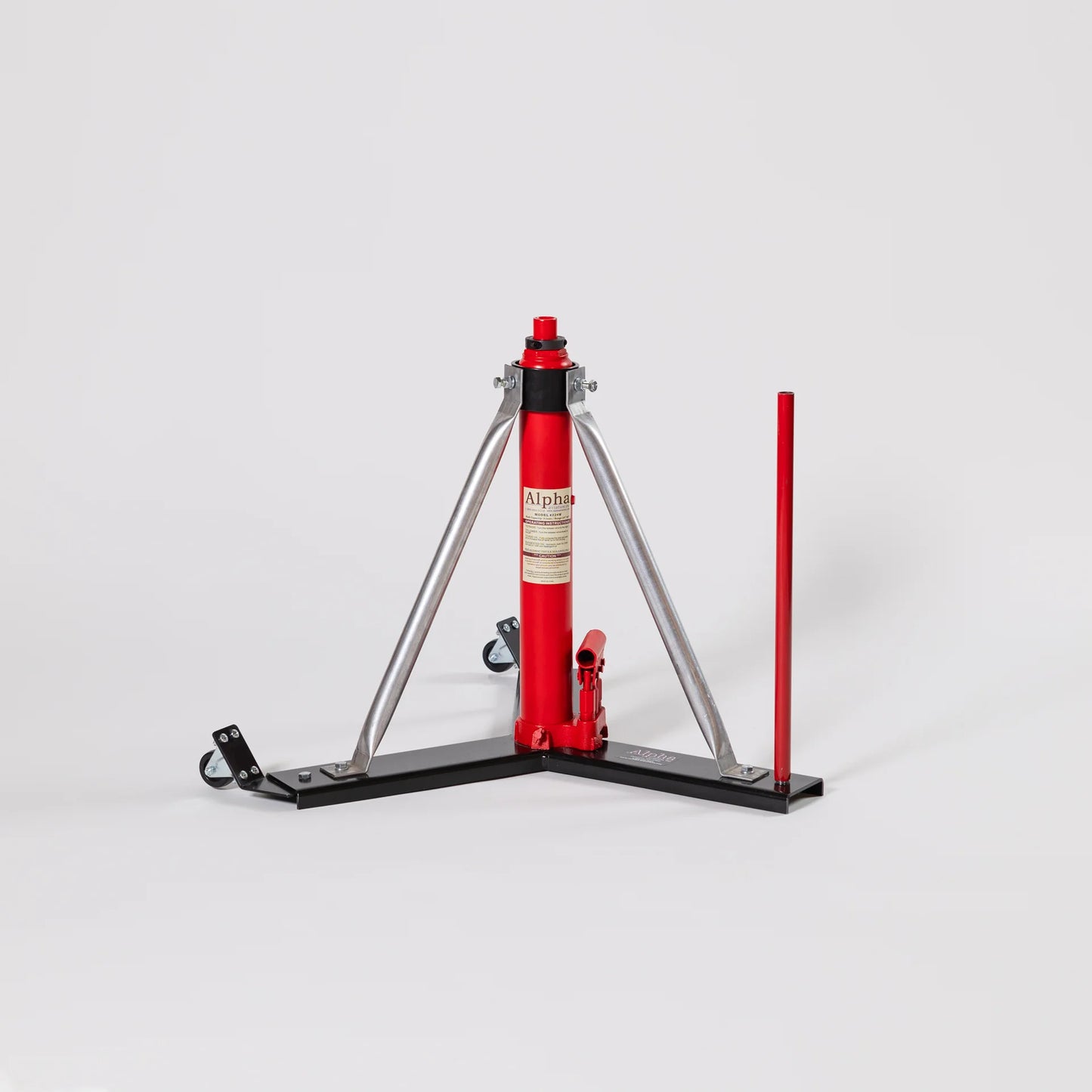
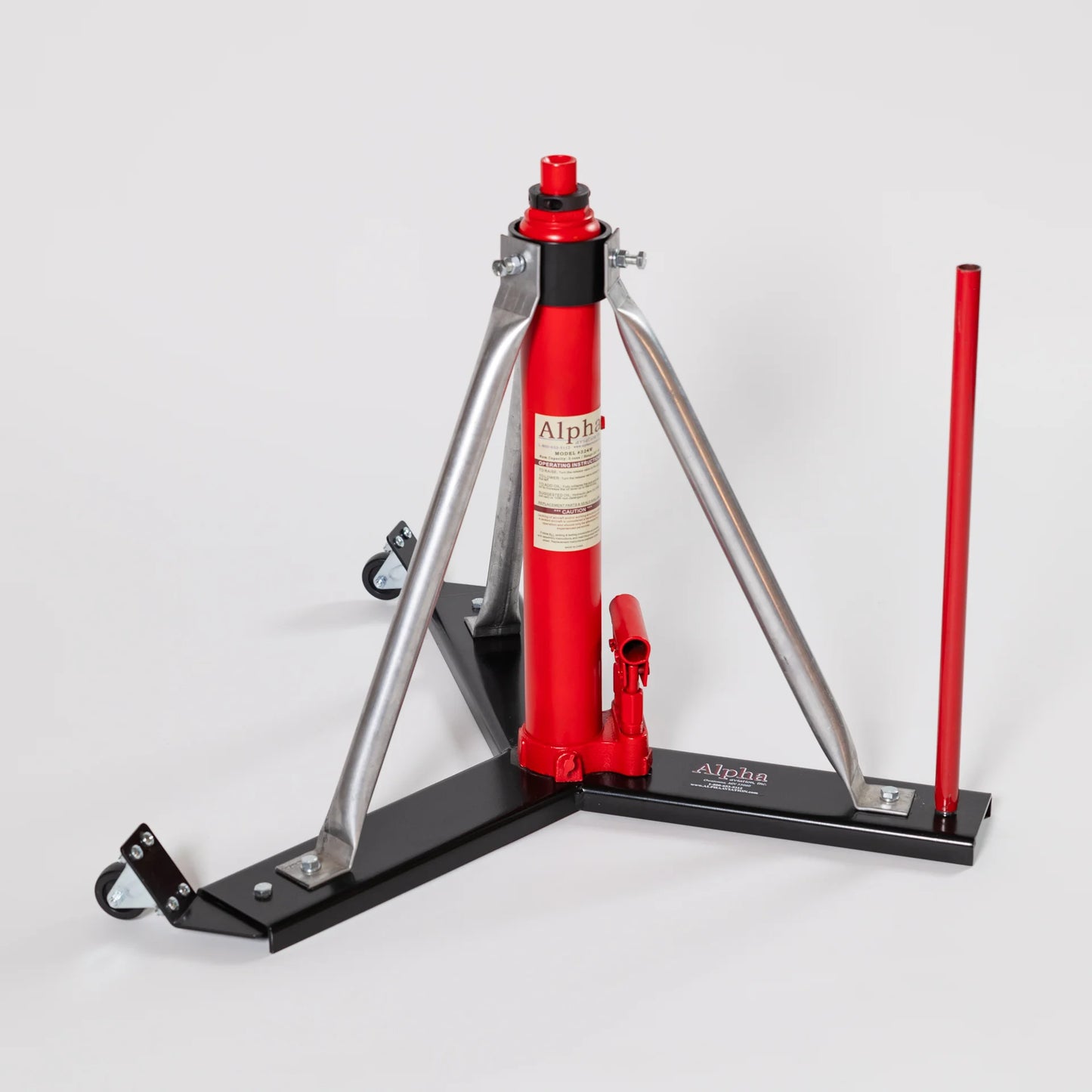
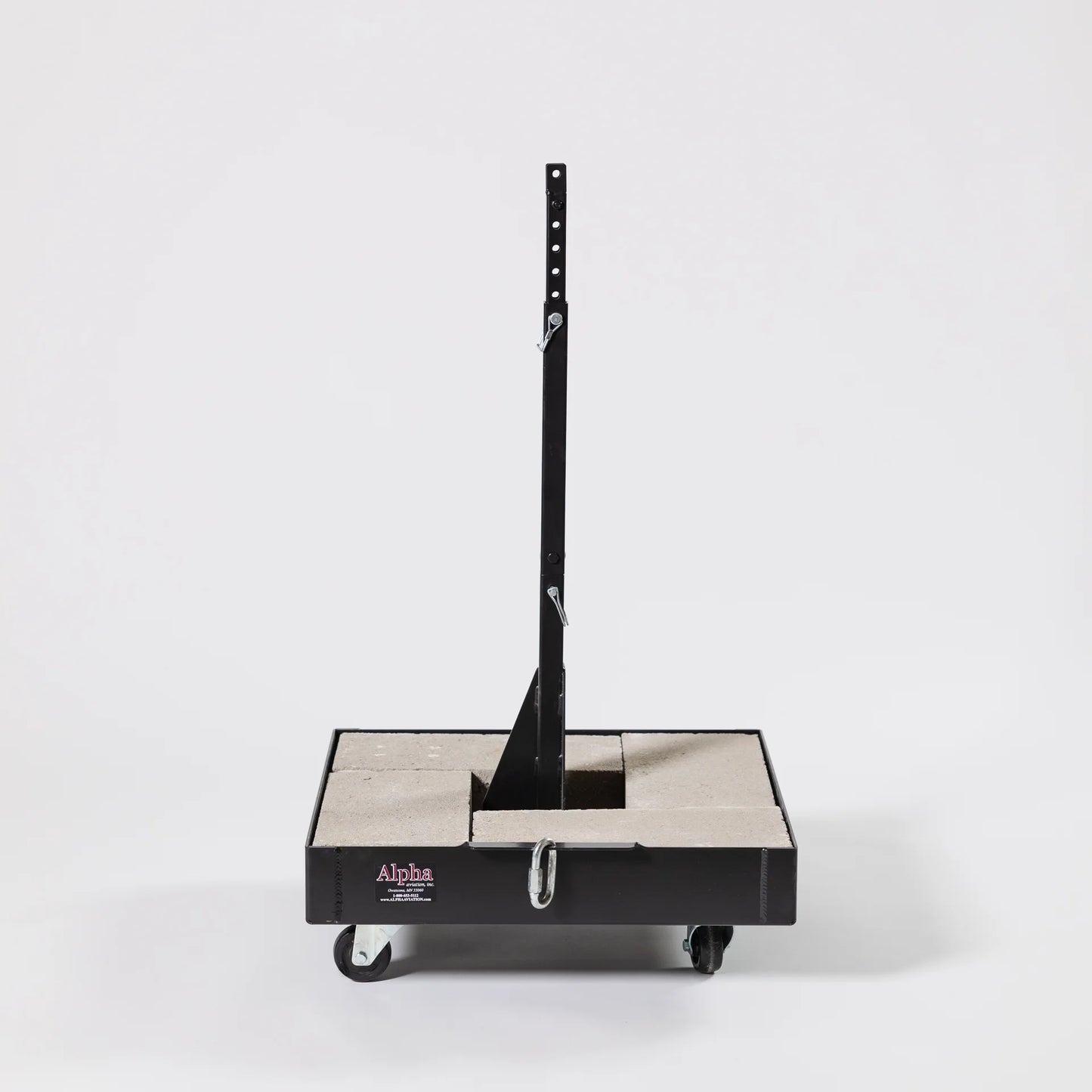
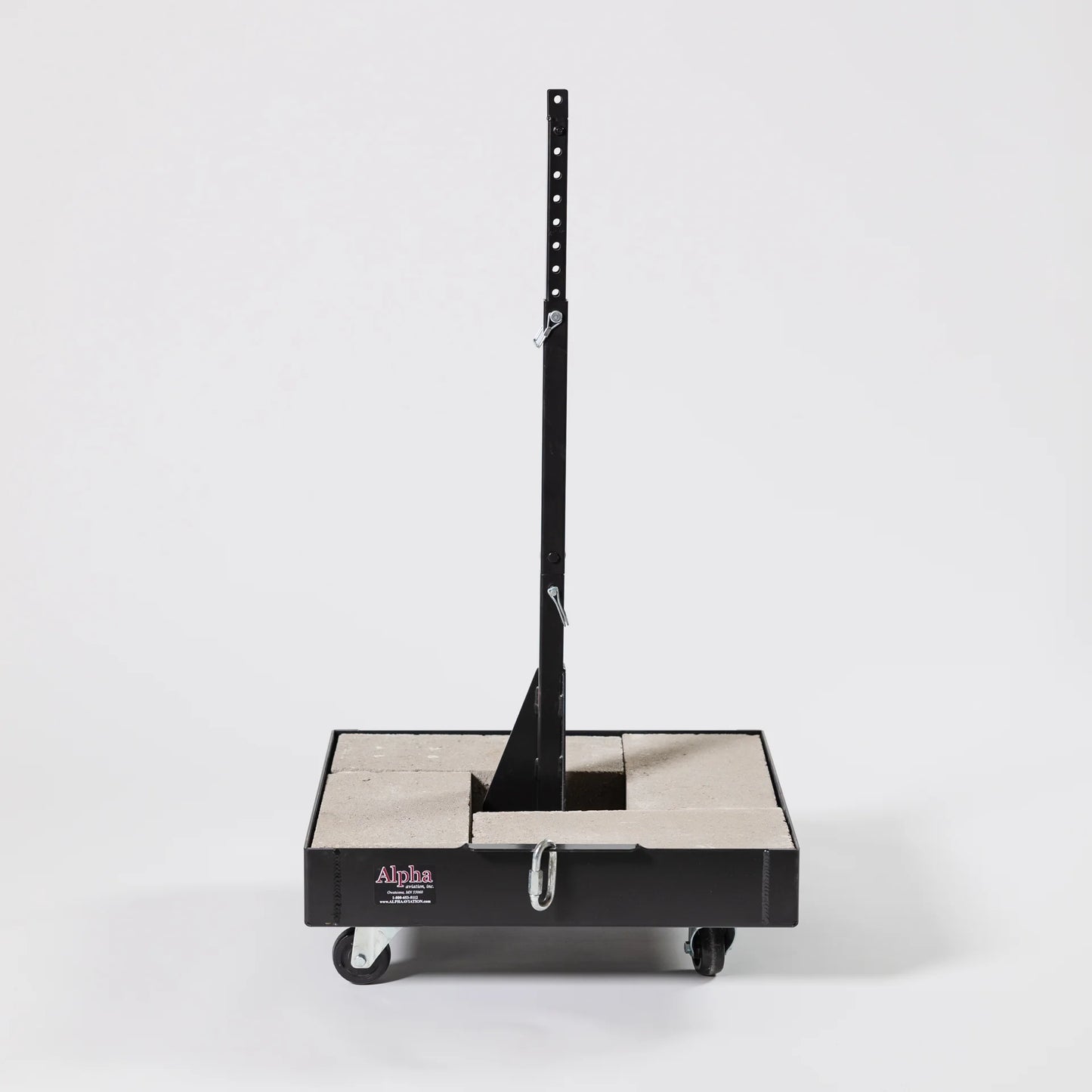
Alpha Aviation offers two primary tail weight configurations. The Portable Tail Weight Post - 535 is designed for mobility between aircraft and locations, useful for shops servicing a mixed fleet. The Standard Tail Weight Post - 375 is a fixed-style post suited to a dedicated maintenance setup where the same aircraft or aircraft type is serviced regularly in one location.
Both are supported by accessories, including a tail weight extension for aircraft that need additional height or reach, and replacement parts like the wire lock pin and replacement caster for keeping an existing post in service.
How Tail Weights Pair With Jacks
For a full annual or any maintenance requiring the main gear off the ground, a tail weight is typically used alongside your jacks rather than instead of them. If you’re still working out which jack capacity your aircraft needs in the first place, our guides on how to choose the right aircraft jack and 3-ton vs. 8-ton aircraft jacks walk through that decision separately.
Frequently Asked Questions
How do I know if my specific aircraft requires a tail weight?
Check your aircraft’s maintenance or service manual, which will specify whether tail support is required during main gear jacking. If it isn’t explicitly addressed, ask your mechanic, since some aircraft sit close enough to the tipping threshold that tail support is standard practice even without an explicit manual requirement.
Can I use a tail weight on an aircraft that doesn’t strictly require one?
Yes. Using a tail weight even when it isn’t mandated adds a margin of safety with minimal downside, since it simply prevents the aircraft from rocking or shifting while jacked.
What’s the weight capacity of a typical tail weight post?
Capacity varies by model. Check the specific rated capacity of the post you’re considering against your aircraft’s weight and balance data before use, the same way you’d confirm a jack’s weight rating before jacking the mains.
Where This Leaves You Before Your Next Annual
If your maintenance manual calls for a tail weight, that’s not a step to skip for convenience. If it doesn’t explicitly require one but your aircraft sits close to its tipping point when unoccupied, using one anyway is a small additional step against a real risk.
Need Help Choosing a Tail Weight?
Alpha Aviation manufactures portable and standard tail weight posts along with the jacks they’re used alongside, with more than 6,000 units in service worldwide since 1995.
Browse tail weights or contact Alpha Aviation to confirm the right setup for your aircraft.