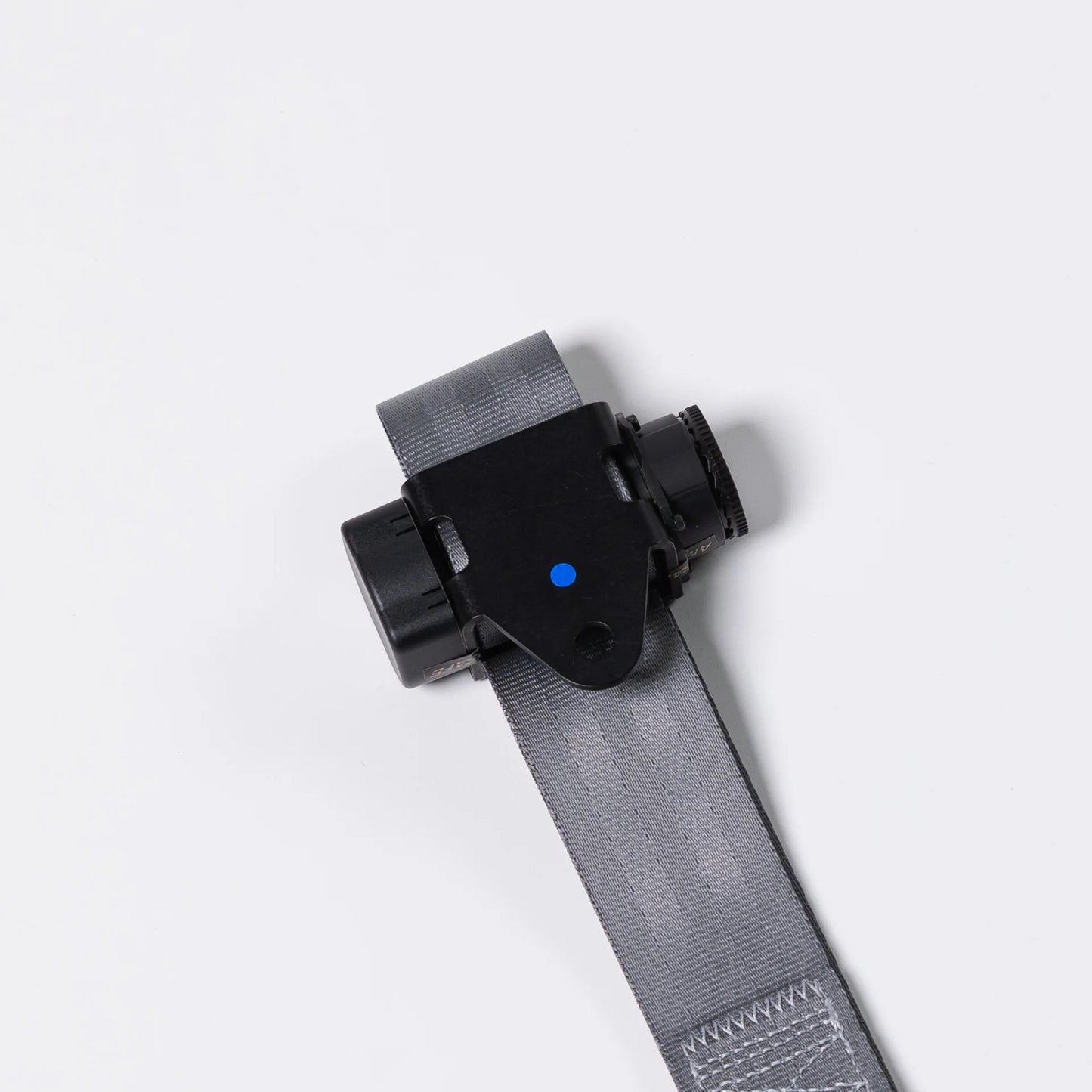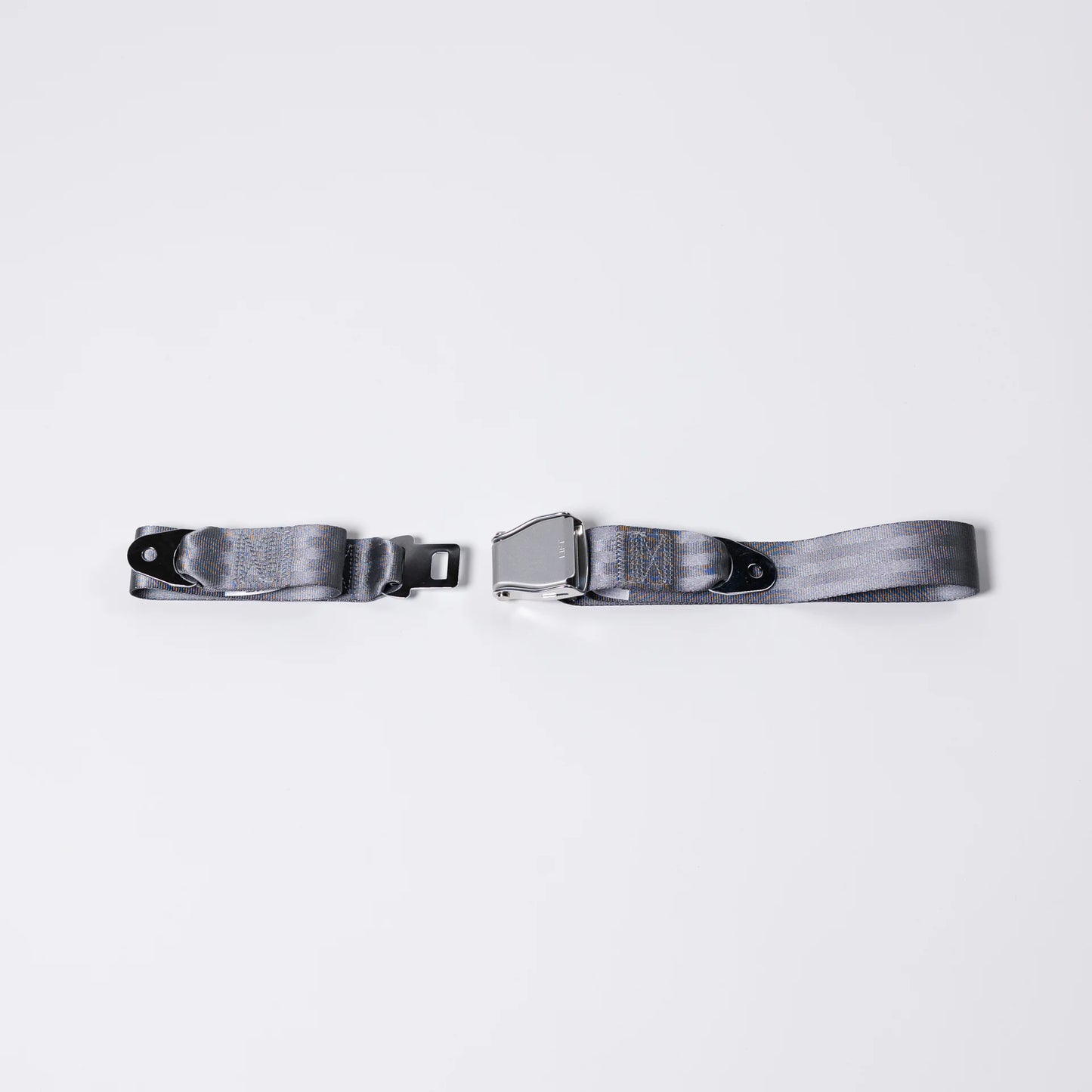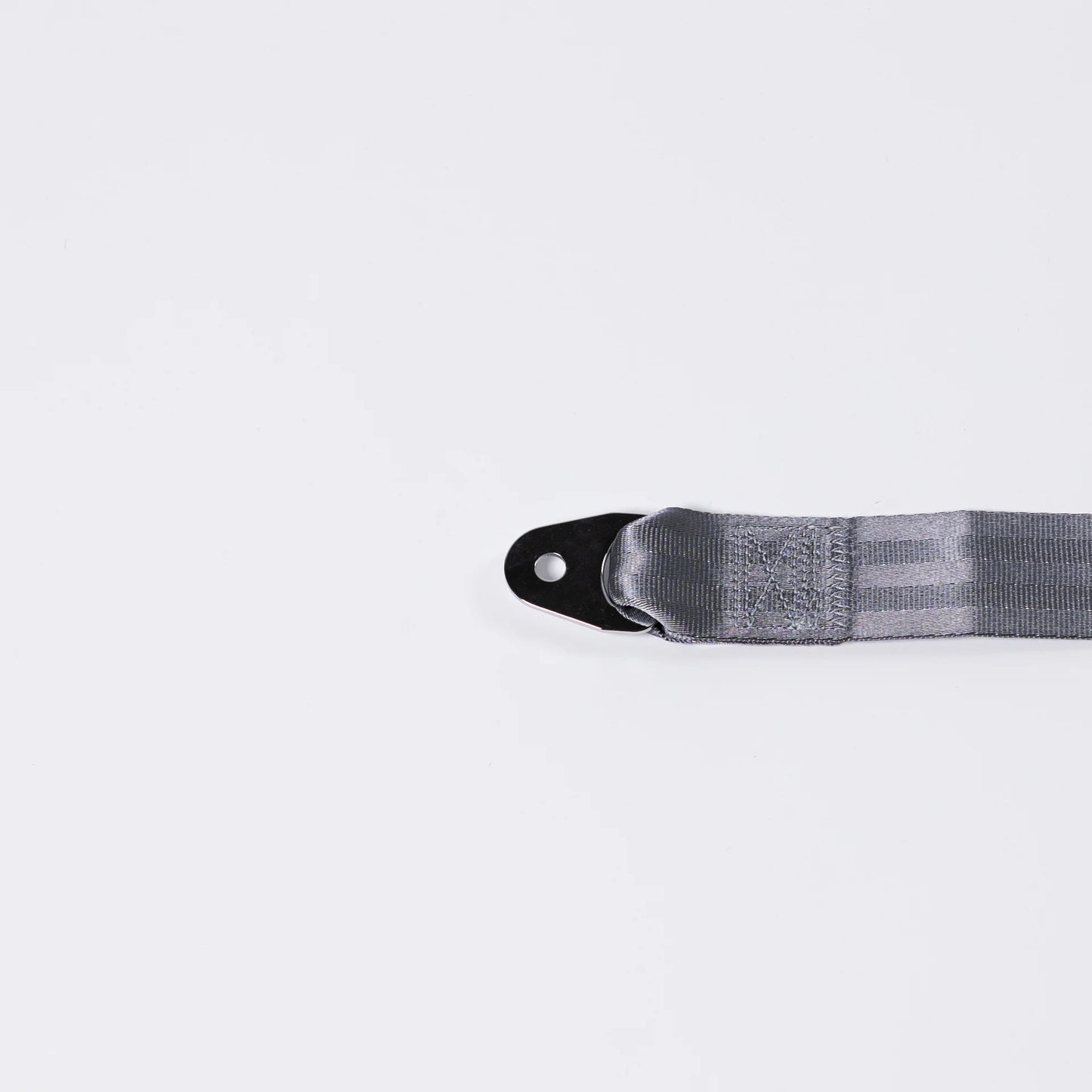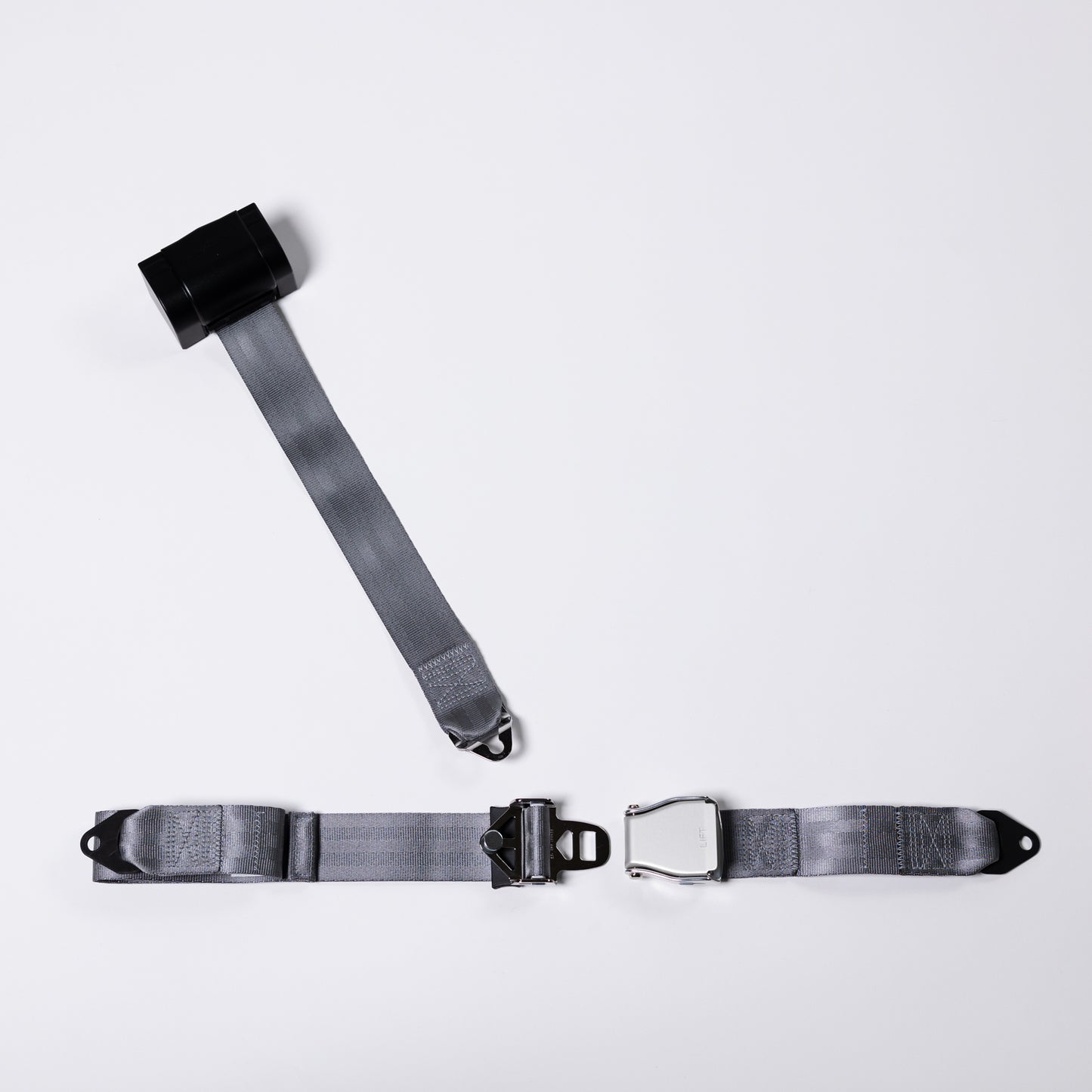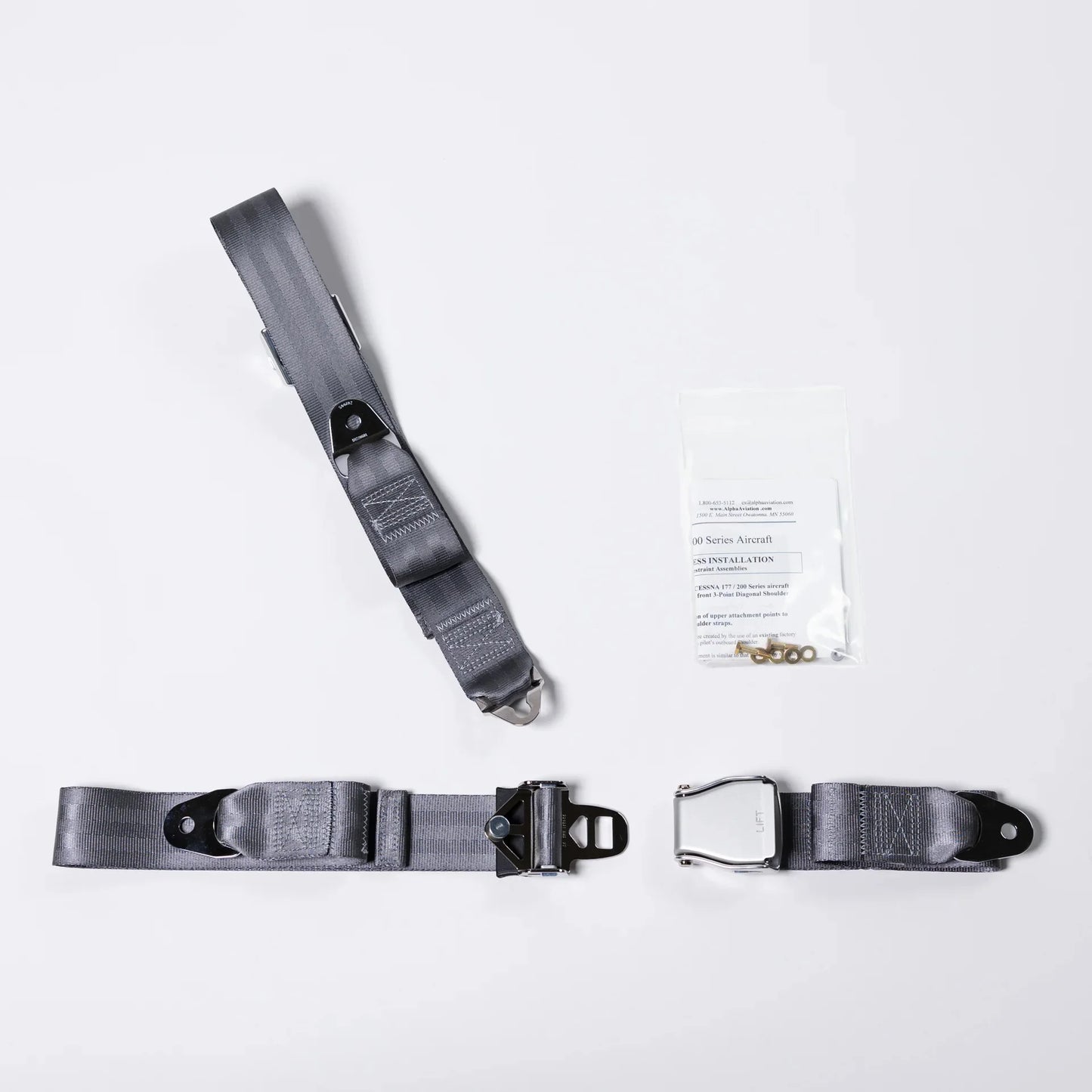
If you’ve priced out a new aircraft restraint system and then noticed that automotive and industrial webbing shops offer rewebbing services for a fraction of the cost, the question is a natural one: why not just reweb the old belt instead of buying a whole new certified assembly? The honest answer is that for most FAA-certified aircraft restraint systems, rewebbing isn’t a legal like-for-like option, and understanding why comes down to how TSO certification actually works.
This guide explains what TSO certification covers, why swapping webbing on a certified assembly generally breaks that certification, and what your real options are when webbing wear is the problem.
Key Takeaways
- A TSO-approved restraint system is certified as a complete assembly: webbing, hardware, and stitching together, not as individually swappable components.
- Rewebbing a TSO-certified belt with non-approved webbing, even from a reputable industrial webbing shop, generally invalidates the TSO approval and makes the assembly non-conforming.
- The FAA-approved path for degraded webbing is replacement with an OEM, PMA, or otherwise properly documented restraint assembly, not rewebbing the existing hardware.
- Minor wear that doesn’t affect strength or function may not require replacement at all. The decision isn’t rewebbing versus replacement; it’s replacement versus no action yet.
What TSO Certification Actually Covers
A Technical Standard Order (TSO) approval, such as TSO-C114 for restraint systems, certifies a complete assembly against a specific performance standard: webbing strength, stitching pattern, buckle and hardware performance, and how the whole system behaves under load together. The certification isn’t testing the webbing material alone; it’s testing the assembled product as a unit.
That distinction matters because it means the certification doesn’t transfer if you change one component, even a component as seemingly simple as the webbing itself. Swap in non-approved webbing, even webbing that’s physically similar or stronger, and the resulting assembly is no longer the certified product. It’s an unapproved modification, regardless of how well it’s made.
Why Automotive-Style Rewebbing Doesn’t Translate
Industrial and automotive webbing shops can do excellent work rewebbing seatbelts, cargo straps, and harnesses for non-aviation applications, because those applications generally aren’t governed by the same certification framework. There’s no equivalent to an FAA TSO approval most vehicle seatbelts, so rewebbing a car seatbelt doesn’t raise the same legal question.
Aircraft restraint systems are a different regulatory category entirely. Applying the same “just reweb it” logic to a TSO-certified aircraft restraint means the resulting product, however well-crafted, is no longer traceable to an FAA-approved design, and installing it isn’t a legal return to service.
When Webbing Wear Doesn’t Mean Replacement Yet
Not every sign of wear means the restraint has to be replaced. Minor fraying that doesn’t exceed roughly 10% of webbing width, where the original yarn pattern is still identifiable and the restraint continues to function correctly, can remain serviceable. Our companion guide on seatbelt webbing inspection covers exactly what to check and where the line sits between acceptable wear and replacement-worthy damage.
The real decision tree isn’t “reweb or replace.” It’s “does this webbing still meet the standard it was certified to, and if not, is a certified replacement assembly available.”
What to Do Instead of Rewebbing
If your inspection confirms the webbing has crossed from acceptable wear into replacement territory, cut stitching, excessive fraying, broken yarns, UV degradation, the correct path is a properly documented replacement restraint: an OEM part from the original manufacturer, or a PMA-approved equivalent from another manufacturer. Both maintain the certification chain that rewebbing breaks. Our guide on PMA vs. OEM vs. STC seatbelts explains how those categories differ and which applies to your situation.
Frequently Asked Questions
Is there any legal way to reweb an aircraft seatbelt?
In practice, no, not through a general industrial webbing service. The only path that would maintain a valid certification is if the original manufacturer or a properly PMA-approved source performed the work using approved materials and processes under their own certification. This isn’t a service generally offered to individual owners.
What happens if I install a rewebbed belt anyway?
The aircraft would be operating with a non-conforming restraint system, which is a discrepancy your mechanic should catch and would need to be corrected before sign-off. It also means the restraint hasn’t been verified to meet the strength standard it’s supposed to meet, which defeats the purpose of the certification in the first place.
Is rewebbing ever cheaper than replacement once you factor in the legal issue?
Generally no, once you account for the fact that a rewebbed belt can’t legally be returned to service on a certificated aircraft. A properly documented replacement assembly is the option that actually results in an airworthy aircraft.
The Bottom Line on Rewebbing
Rewebbing looks like a reasonable cost-saving option until you understand that TSO certification applies to the assembled product, not its individual parts. Once webbing wear crosses into replacement territory, a properly documented OEM or PMA replacement is the only path that keeps your restraint system, and your aircraft, in a legally airworthy configuration.
Need a Certified Replacement Restraint?
Alpha Aviation manufactures OEM and PMA-approved restraint systems for a wide range of general aviation aircraft, maintaining full certification traceability from webbing to hardware.
Browse restraint systems or contact Alpha Aviation if you’re not sure whether your current webbing has crossed into replacement territory.