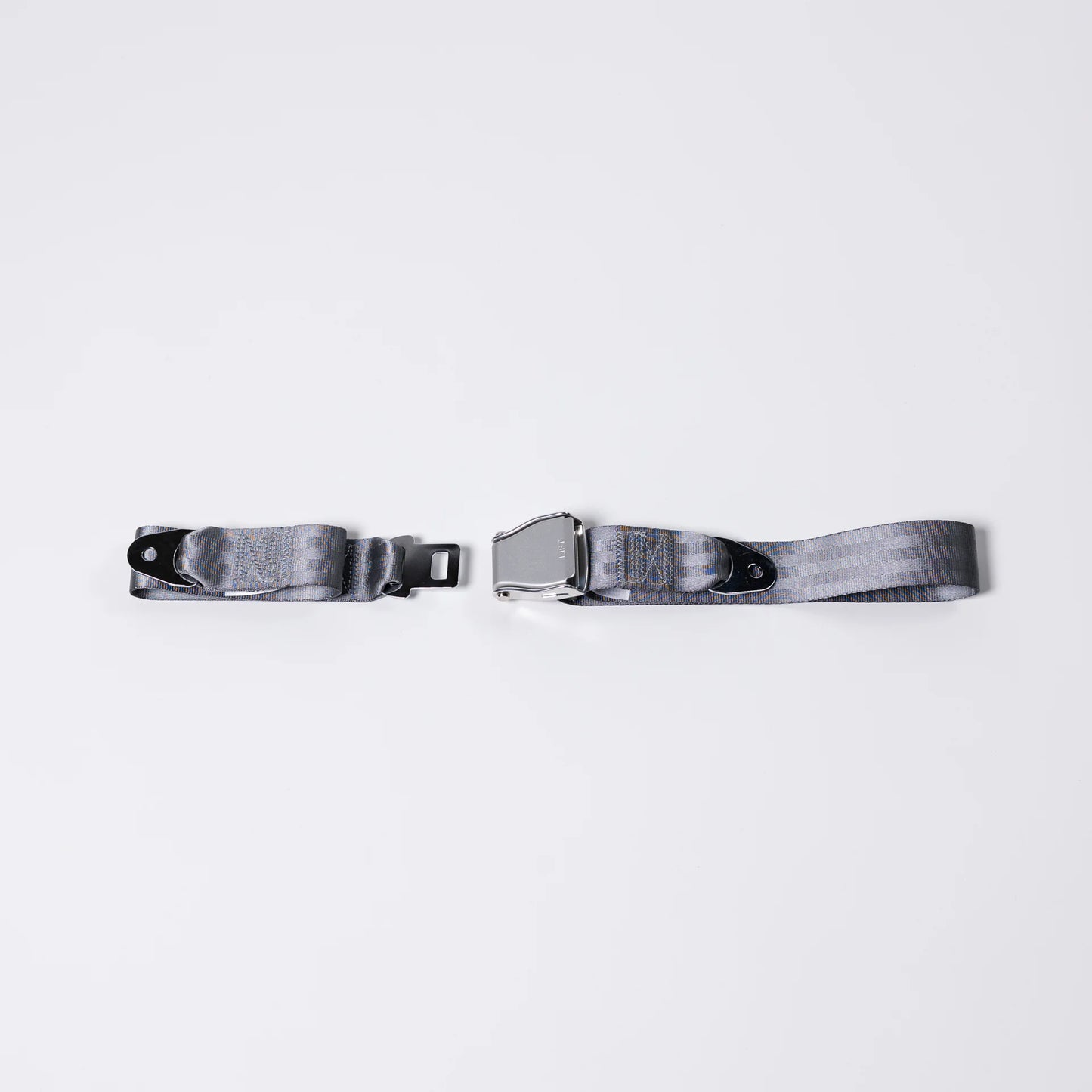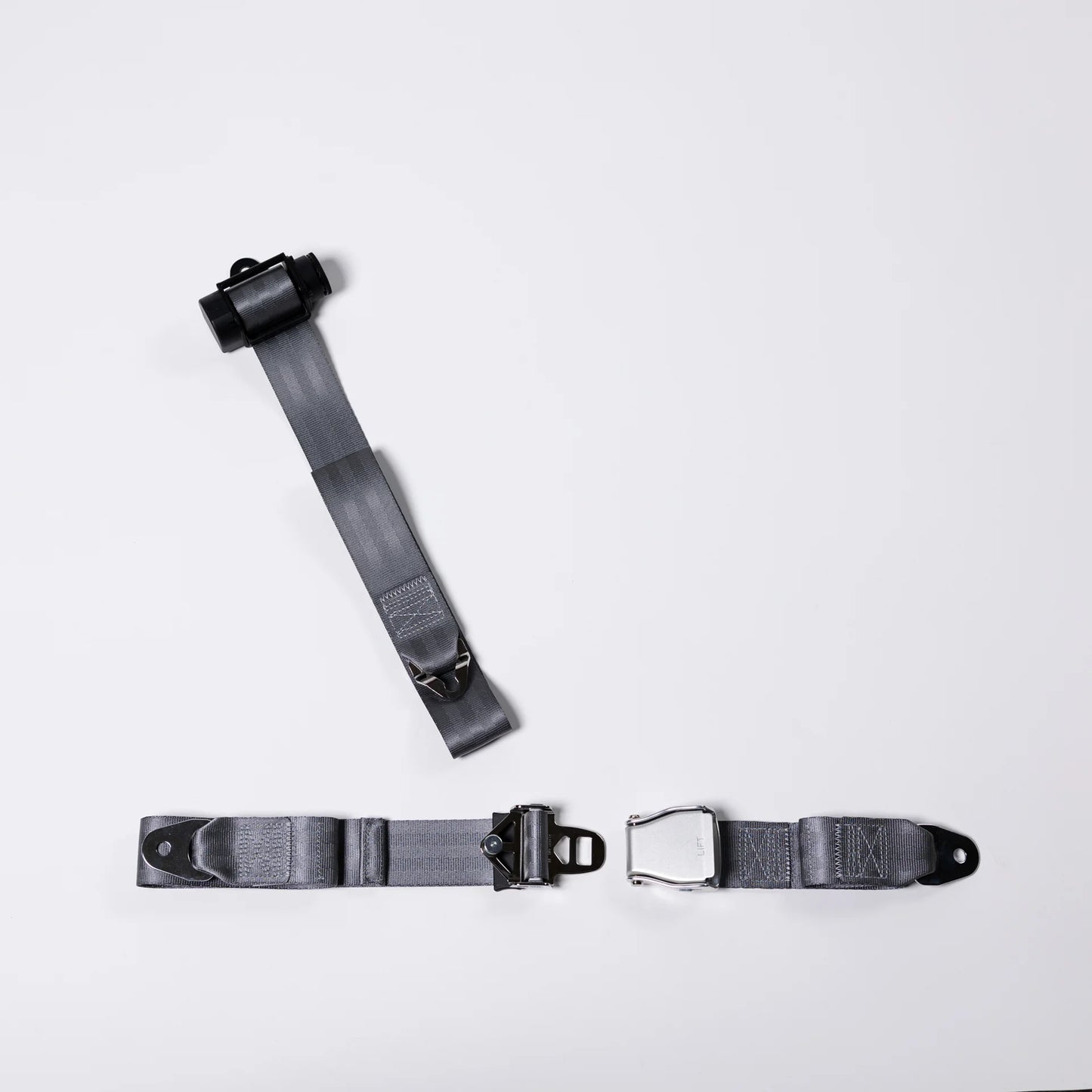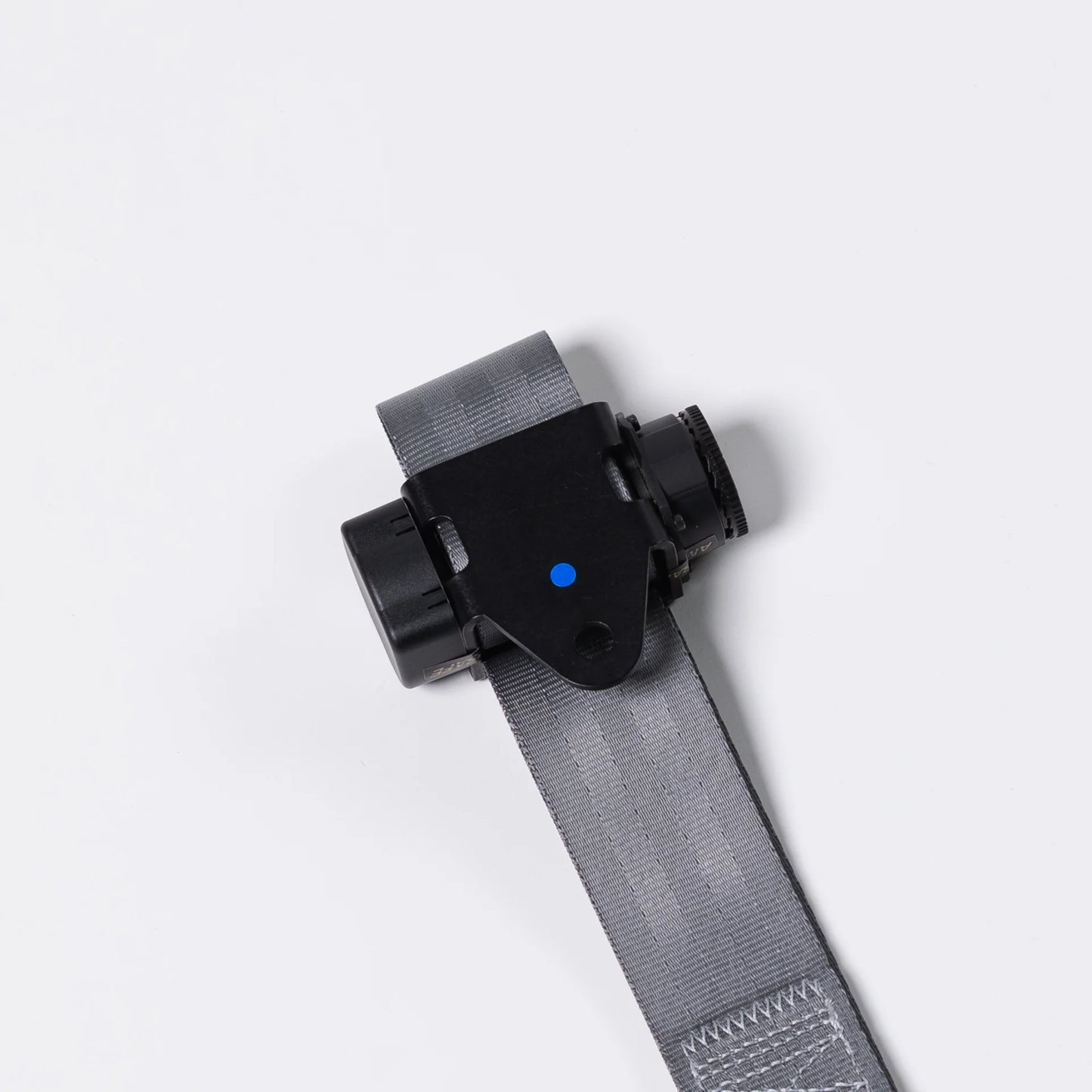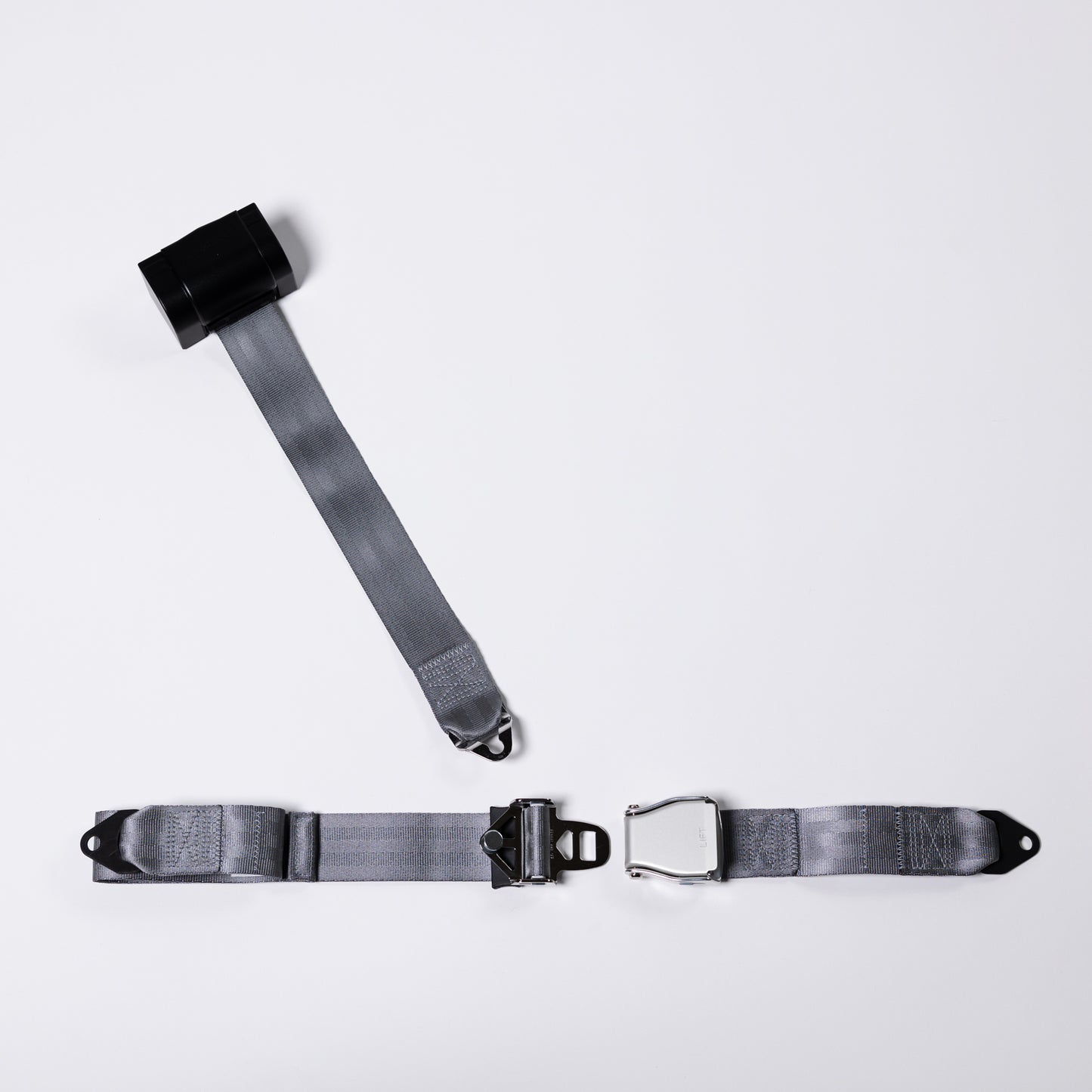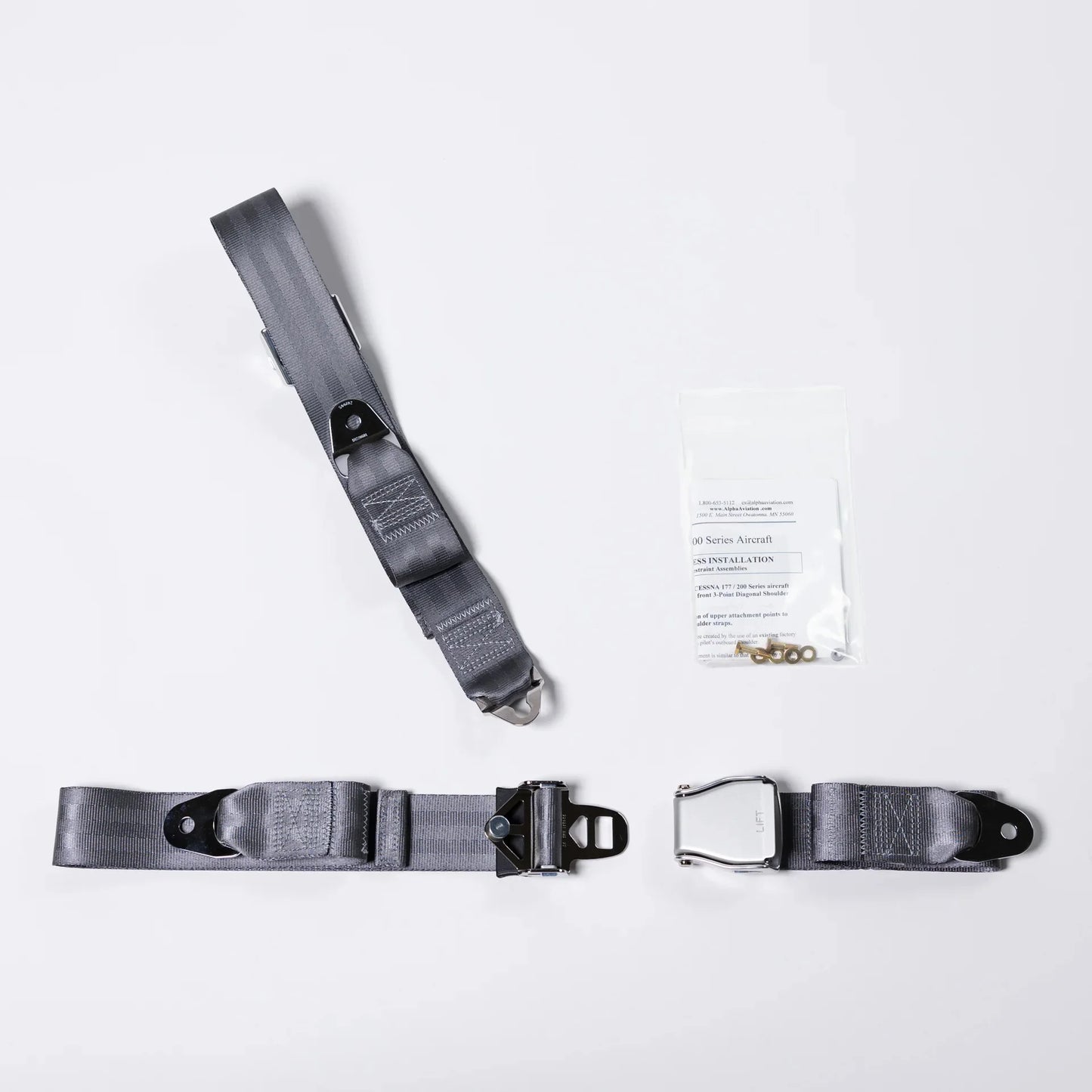
Most aircraft owners know to check for Airworthiness Directives before an annual, but far fewer have a system for actually staying current on them, and even fewer track Special Airworthiness Information Bulletins (SAIBs), which aren’t mandatory but often signal a safety concern the FAA is watching closely. For restraint systems specifically, both document types matter: a compromised seatbelt, shoulder harness, or inertial reel is a single point of failure in an otherwise survivable event.
This guide explains the difference between an AD and a SAIB, where to find both for your specific aircraft and restraint hardware, and how to build a habit of checking rather than relying on your mechanic to catch everything at annual.
Key Takeaways
- An Airworthiness Directive (AD) is legally mandatory. A Special Airworthiness Information Bulletin (SAIB) is advisory, but it often precedes or supports a future AD.
- ADs and SAIBs are issued by aircraft and component, so restraint-specific bulletins can apply even if your airframe has no open ADs of its own.
- The FAA’s Dynamic Regulatory System (drs.faa.gov) is the authoritative source for ADs; manufacturer and parts-supplier resource pages often surface relevant SAIBs and service bulletins faster and in more accessible language.
- Canada has its own process through Transport Canada, and a US AD or SAIB does not automatically apply to a Canadian-registered aircraft without a corresponding Canadian Airworthiness Directive (CAD) or statement.
AD vs. SAIB: What’s the Actual Difference
An Airworthiness Directive is a legally enforceable FAA rule. If an AD applies to your aircraft or an installed component, compliance isn’t optional, and continued flight without complying (within the AD’s specified terms) is a violation. ADs are published in the Federal Register and tracked in the FAA’s Dynamic Regulatory System.
A Special Airworthiness Information Bulletin is different. It’s the FAA communicating a safety concern, sharing inspection or maintenance recommendations, or flagging an issue under review, without imposing a legal mandate. Many SAIBs never become ADs. Some do. Either way, a SAIB is worth reading closely, because it tells you what the FAA is watching before it necessarily becomes a requirement.
For restraint systems specifically, real examples of both currently apply. Alpha Aviation’s restraint assemblies meet the specifications outlined in Shoulder Harness SAIB 2026-10R1, issued April 15, 2026, and there’s also an Airbag Restraints SAIB (CE-12-27) covering a different restraint category. Neither is an AD, but both are exactly the kind of document that’s easy to miss if you’re not actively looking for restraint-specific bulletins.
Where to Actually Find ADs
The FAA’s Dynamic Regulatory System at drs.faa.gov is the authoritative, searchable source for every active AD. You can search by aircraft make and model, by engine, or by a specific component if you know the part number. This is the system your mechanic uses, and it’s worth knowing how to search yourself rather than waiting for annual to find out something applies to you.
Where to Find Restraint-Specific SAIBs and Service Bulletins
SAIBs are also published through the FAA, but they’re easier to miss because they don’t trigger the same compliance-tracking systems that ADs do. Component and restraint manufacturers often maintain their own resource pages listing SAIBs and service bulletins relevant to their products. For example, the Pacific Scientific Inertial Reel AWB 25-008 and Alert Service Bulletin A25-1124A addresses a specific inertial reel restraint issue that a general AD search might not surface as clearly as the manufacturer’s own bulletin does.
If you own an aircraft with a known restraint manufacturer (Pacific Scientific, AmSafe, or others), it’s worth bookmarking that manufacturer’s bulletin page directly rather than relying solely on FAA search tools.
Tracking ADs and SAIBs for Canadian-Registered Aircraft
A US Airworthiness Directive does not automatically apply to a Canadian-registered aircraft. Transport Canada issues its own Canadian Airworthiness Directives (CADs), and in some cases publishes a statement adopting or referencing a US AD or SAIB rather than issuing an entirely separate document. Alpha Aviation maintains a CAR statement on replacing harnesses specifically for Canadian owners navigating this distinction.
If you fly a Canadian-registered aircraft, checking the FAA’s system alone isn’t sufficient. Confirm the corresponding Transport Canada guidance separately.
Building a Habit, Not Just a One-Time Check
The owners who stay ahead of AD and SAIB compliance treat it as a recurring check, not a one-time search before an annual. A few practical habits: search the FAA’s Dynamic Regulatory System by your aircraft’s make and model at least twice a year, bookmark the bulletin pages of any major restraint or component manufacturer installed on your aircraft, and ask your mechanic directly whether they proactively check for new SAIBs, not just ADs, during scheduled maintenance.
Frequently Asked Questions
Do I have to comply with a SAIB the way I do an AD?
No. A SAIB is advisory, not a legal mandate. However, ignoring a SAIB that flags a known safety issue with a component installed on your aircraft is a decision worth making deliberately, not by default, since some SAIBs do precede a future AD.
How often should I check for new ADs affecting my aircraft?
At minimum, check before every annual inspection. Many experienced owners check every three to six months, since an AD can be issued at any time and grounding compliance timelines vary.
Does a US AD automatically apply to my Canadian-registered aircraft?
No. Canadian-registered aircraft fall under Transport Canada’s Canadian Airworthiness Directive (CAD) system. A US AD may be adopted or referenced by a corresponding Canadian document, but it doesn’t apply automatically. Check Transport Canada’s guidance directly, or reference manufacturer-provided statements addressing this specifically.
Staying Ahead of the Paperwork
Restraint systems are easy to overlook in AD and SAIB tracking because they don’t fail often and rarely make headlines. That’s exactly why a proactive habit matters more here than it might for a more visible system: nobody notices a degraded shoulder harness until it’s needed.
Checking the FAA’s Dynamic Regulatory System, your restraint manufacturer’s bulletin page, and (if applicable) Transport Canada’s guidance on a regular schedule is a small time investment against a real safety and compliance gap.
Need Help Confirming Compliance for Your Restraint System?
Alpha Aviation’s restraint assemblies are TSO-C114 or TSO-C22g rated and meet the specifications outlined in current SAIBs affecting shoulder harness systems.
Browse compliant restraint systems or contact Alpha Aviation with questions about a specific AD, SAIB, or service bulletin affecting your aircraft.