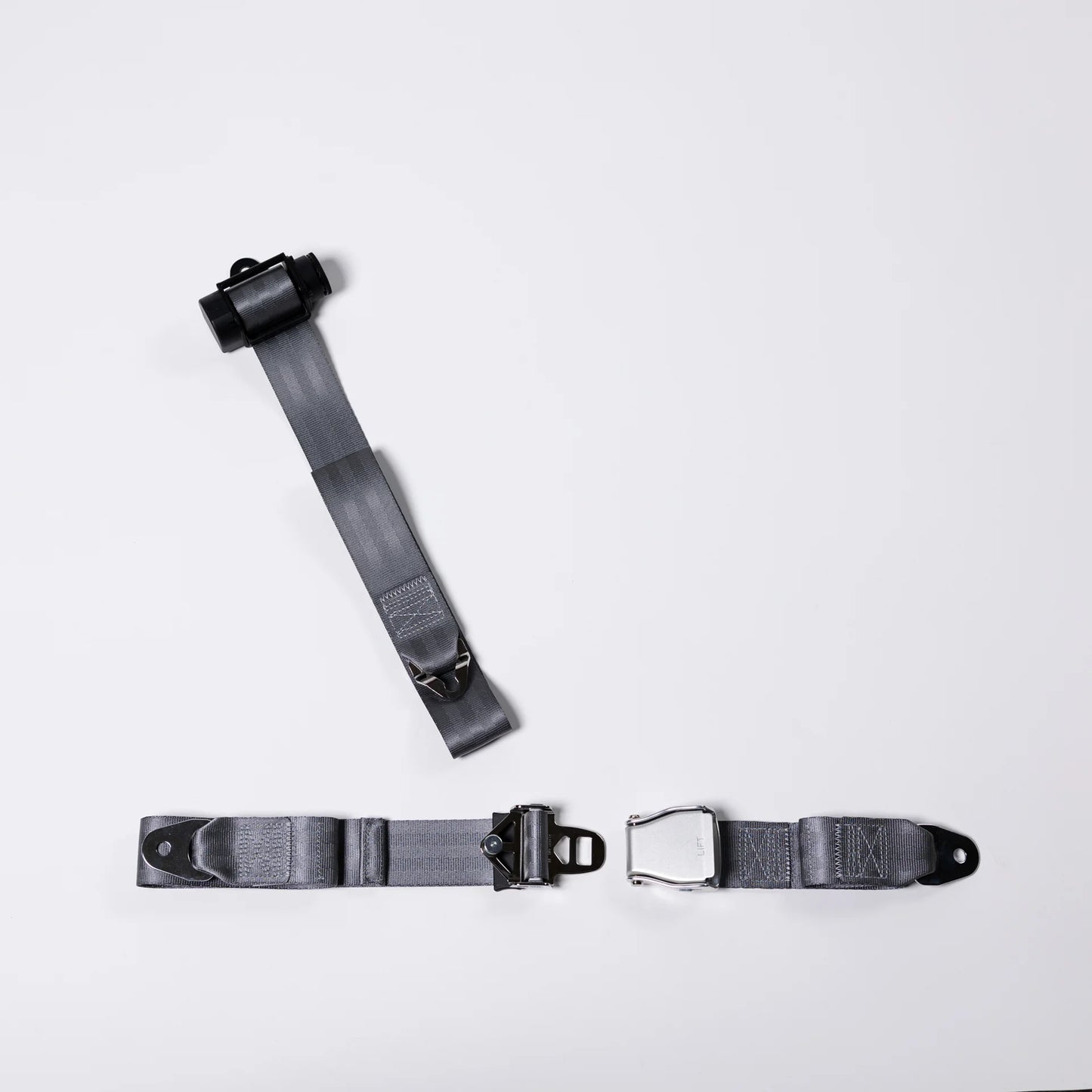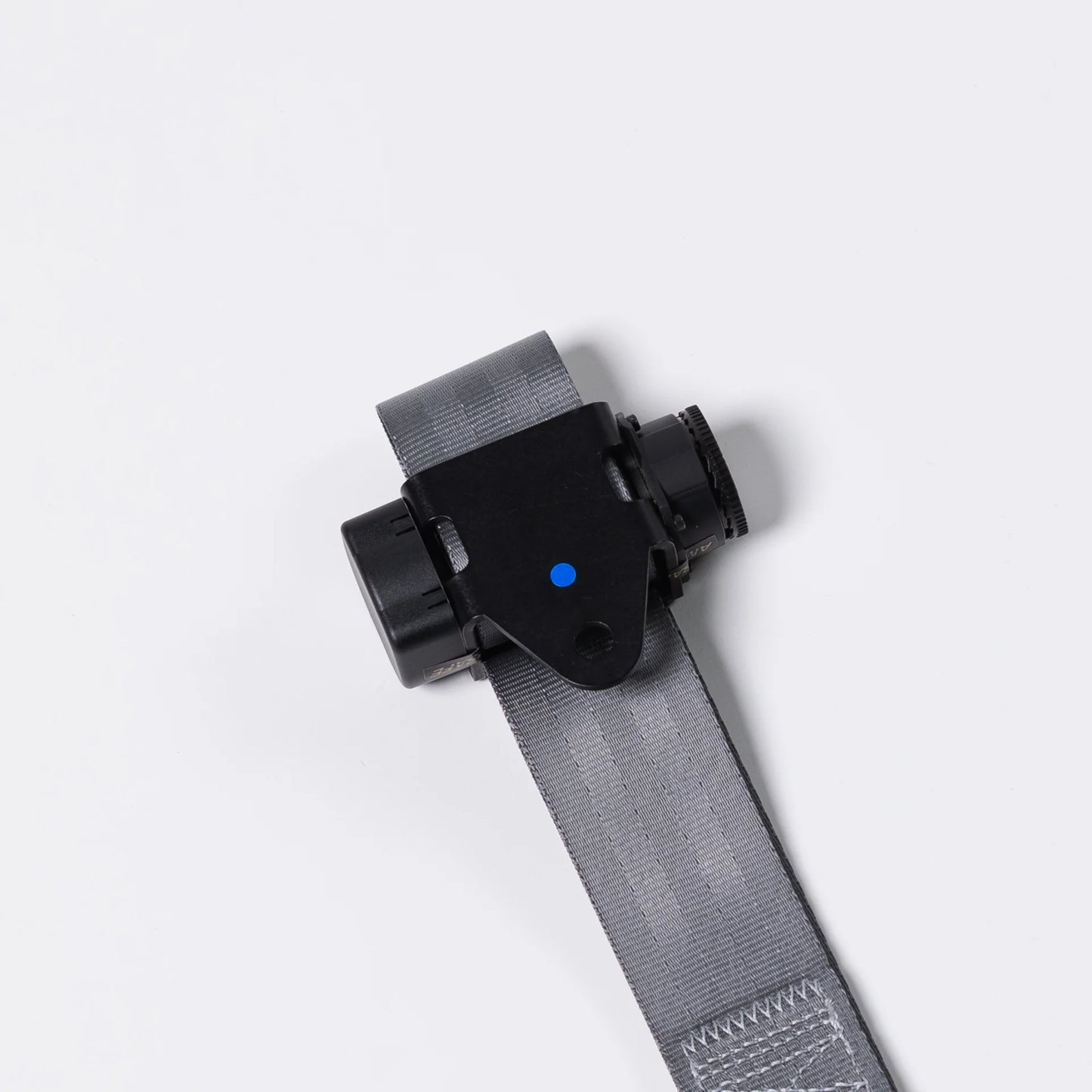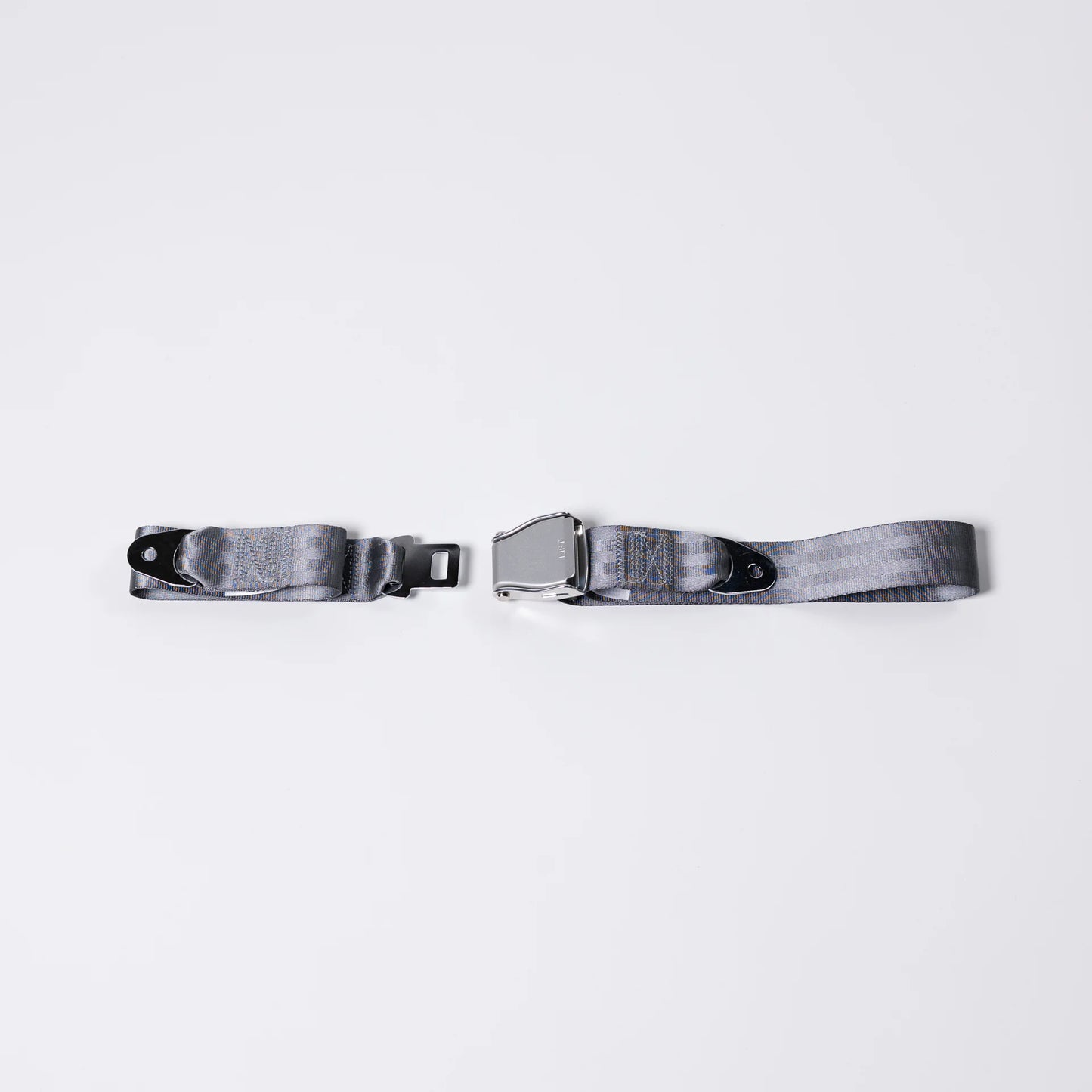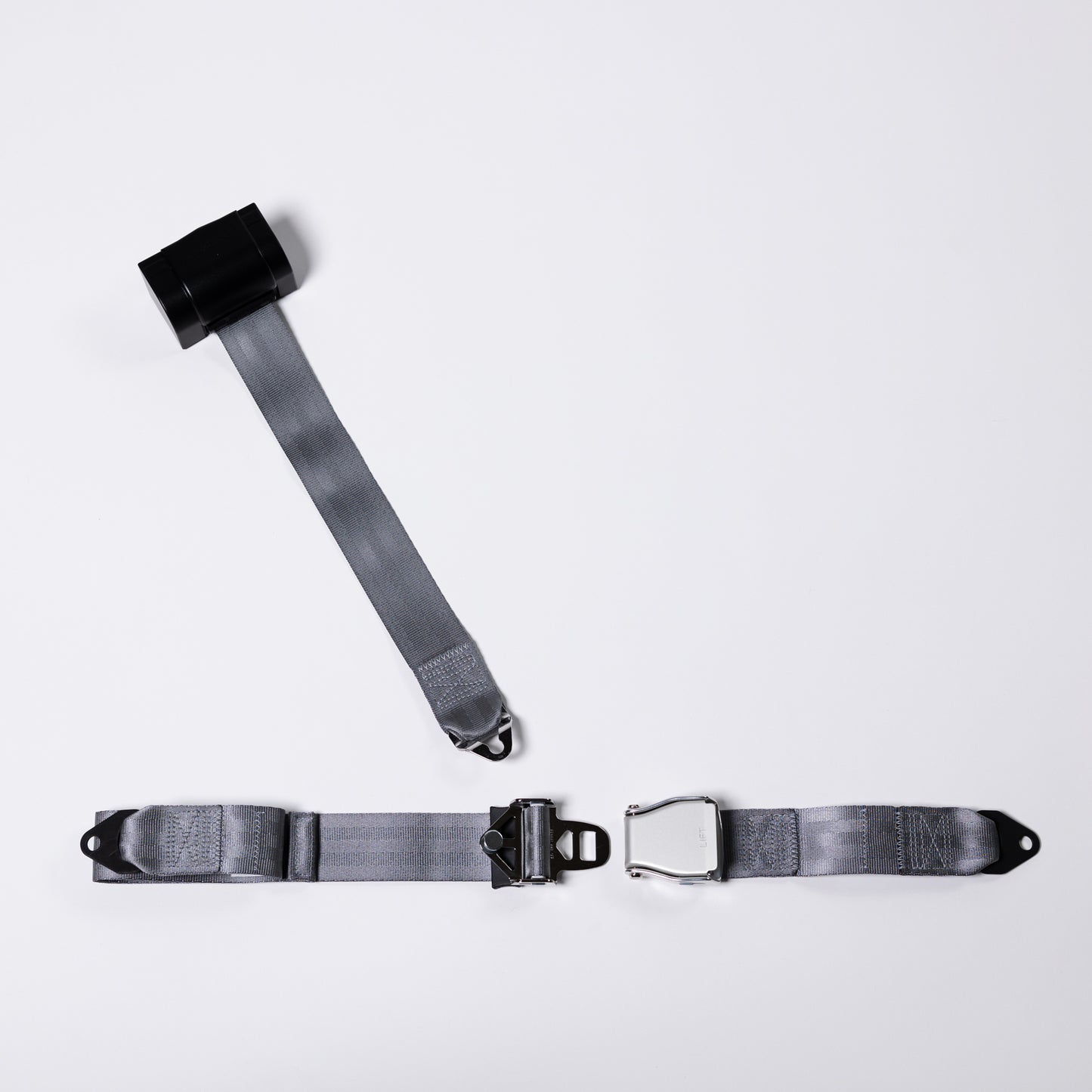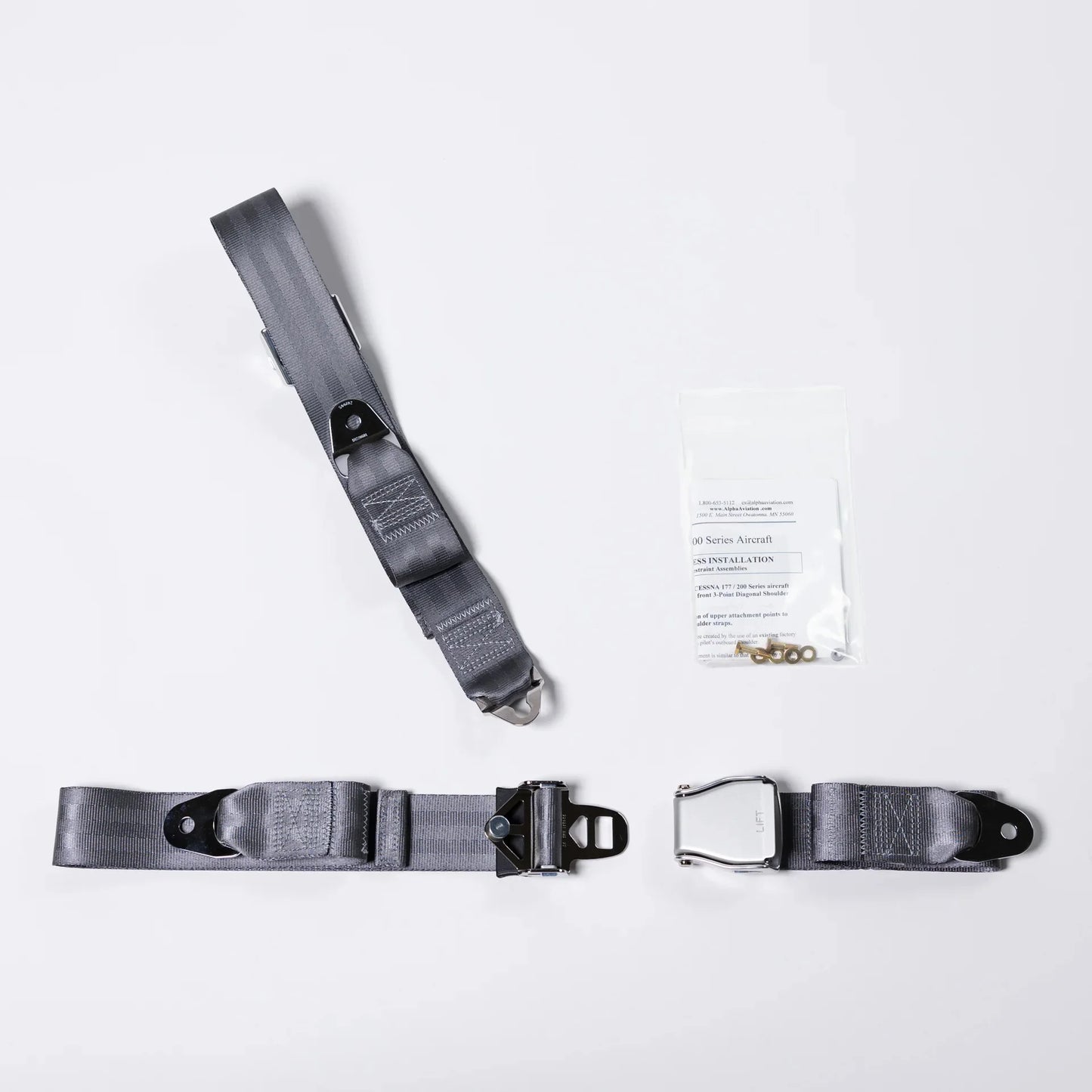
Search for a replacement aircraft seatbelt and you’ll run into three unfamiliar abbreviations, often on the very same parts page: PMA, OEM, and STC. All three can be perfectly legal. None of them mean the same thing, and installing the wrong one for your situation can turn a routine seatbelt replacement into an airworthiness problem instead of solving one.
This guide breaks down what each term actually means, how they differ in scope and paperwork, and how to figure out which category applies to the restraint system you’re planning to install.
Key Takeaways
- OEM parts are made or authorized by the original manufacturer and match the aircraft’s original type design exactly.
- PMA parts are FAA-approved replacement parts made by a manufacturer other than the original type certificate holder. They’re a legal like-for-like replacement without further approval.
- An STC is only required when you’re changing the aircraft’s original design, such as adding shoulder harnesses to an aircraft that didn’t have them originally.
- All three categories can be airworthy. The right choice depends on whether you’re replacing existing equipment or modifying the aircraft.
Why This Distinction Matters
This isn’t just terminology. Installing the wrong category of part, or installing the right part without the paperwork that makes it legal, can mean your mechanic won’t sign off the annual, your logbook entry doesn’t hold up to scrutiny, or the aircraft is technically out of its approved configuration without anyone realizing it until a pre-buy inspection or an incident investigation.
Understanding the difference up front saves a return shipment, an awkward conversation with your A&P, or worse.
What Are OEM Aircraft Seatbelts?
OEM stands for Original Equipment Manufacturer. An OEM seatbelt is produced by, or under the authority of, the company that holds the aircraft’s (or the restraint system’s) original type certificate.
Because an OEM part matches the original type design exactly, installing one is typically the simplest replacement path. No additional FAA approval is needed beyond the part itself being properly documented and traceable.
The tradeoff: for aircraft that are decades old, OEM parts for the exact original configuration can be difficult or impossible to source, and when available, they’re often priced accordingly.
What Are PMA Aircraft Seatbelts?
PMA stands for Parts Manufacturer Approval, granted under 14 CFR Part 21, Subpart K. A PMA part is manufactured by a company other than the original type certificate holder, but the FAA has approved it as an acceptable replacement, either because it’s shown to be identical to the original part, or because the manufacturer has submitted its own technical data proving the part meets the required airworthiness standards.
How the FAA Approves PMA Parts
PMA approval generally comes through one of two paths: identicality (the part is manufactured to be identical to the original in materials, dimensions, and performance) or supplemental type certificate/technical data (the manufacturer develops and submits its own engineering data showing the part meets the applicable standard, sometimes with design improvements over the original).
Either way, a PMA-approved restraint system is a legal, documented replacement for the original equipment. No separate STC is required to install it in place of the original part it was approved to replace.
What Is an STC, and When Do You Need One for a Seatbelt?
An STC (Supplemental Type Certificate) is required when you’re changing the aircraft’s original type design, not just replacing existing equipment with an equivalent. For restraint systems, the most common example is adding shoulder harnesses to an aircraft that was originally certificated with lap belts only.
Because that adds new attachment points and hardware that weren’t part of the original design, it’s a modification, not a replacement, and it requires either an STC, FAA field approval, or another approved method of installation.
If you’re not sure whether your situation is a replacement or a modification, our companion guide, Do You Need an STC for Aircraft Shoulder Harness Installation?, walks through the full decision path in detail.
PMA vs. OEM vs. STC: Side-by-Side
|
Category |
What It Means |
When You Need It |
Typical Paperwork |
|
OEM |
Made/authorized by the original type certificate holder |
Replacing existing equipment with the exact original part |
Traceability to the original manufacturer |
|
PMA |
FAA-approved replacement part from a different manufacturer |
Replacing existing equipment with an approved equivalent |
PMA tag/marking, logbook entry referencing the part number |
|
STC |
Approval to change the aircraft’s original design |
Adding equipment or attach points that didn’t exist originally |
STC number in the logbook, FAA Form 337 (major alteration) |
How to Determine Which One Your Aircraft Needs
Start with your aircraft’s Illustrated Parts Catalog (IPC) to confirm what the restraint system originally consisted of. Then ask a simple question: are you replacing what’s already there, or adding something that wasn’t originally approved for your aircraft?
If you’re replacing worn or damaged equipment with the same configuration, an OEM or PMA part is generally the correct, and simpler, path. If you’re adding shoulder harnesses where none existed, upgrading attachment geometry, or changing the restraint type entirely, you’re in STC territory. When in doubt, your A&P or IA can confirm which category applies before you order parts.
Frequently Asked Questions
Is a PMA seatbelt as safe as an OEM one?
Yes. A PMA part must meet the same FAA airworthiness standards as the original, whether approved through identicality or independently submitted technical data. The distinction is about the legal manufacturing and approval pathway, not a lower safety margin.
Can I install an STC restraint kit myself?
The installation itself should be performed and signed off by an appropriately rated A&P mechanic, and most STC kits require a specific logbook entry referencing the STC number. Some installations also require an FAA Form 337 as a major alteration. Check the STC’s installation instructions for the exact requirements.
Do I need an STC just to replace a worn-out seatbelt with the same type?
No. Replacing existing equipment with an identical part or an approved PMA equivalent is a like-for-like replacement, not a modification, and doesn’t require an STC.
So, Which Category Applies to Your Aircraft?
If you’re standing in the hangar looking at a worn-out lap belt, the answer is usually straightforward: an OEM or PMA replacement gets you back in the air with the least paperwork. It’s only when you’re changing what the aircraft was originally certificated with, most often adding shoulder harnesses, that an STC enters the picture.
When the line between “replacement” and “modification” isn’t obvious, treat it as a modification question and confirm with your mechanic before ordering parts.
Need Help Choosing the Right Restraint System?
Alpha Aviation manufactures PMA-approved restraint systems and STC’d shoulder harness kits for a wide range of general aviation aircraft, including Cessna, Piper, Mooney, Beechcraft, and Ercoupe/Alon models.
Browse restraint systems or contact Alpha Aviation to confirm which option is right for your aircraft.