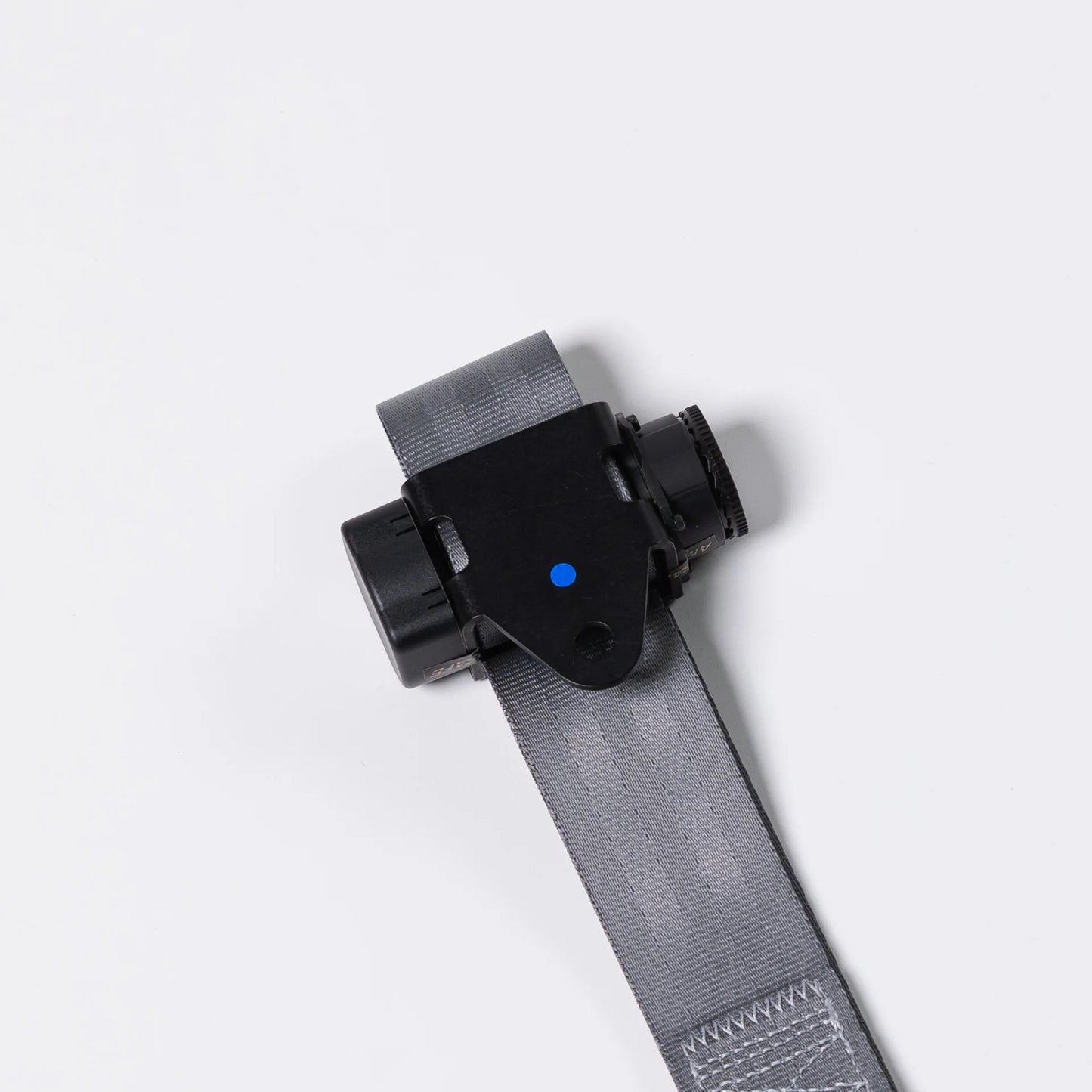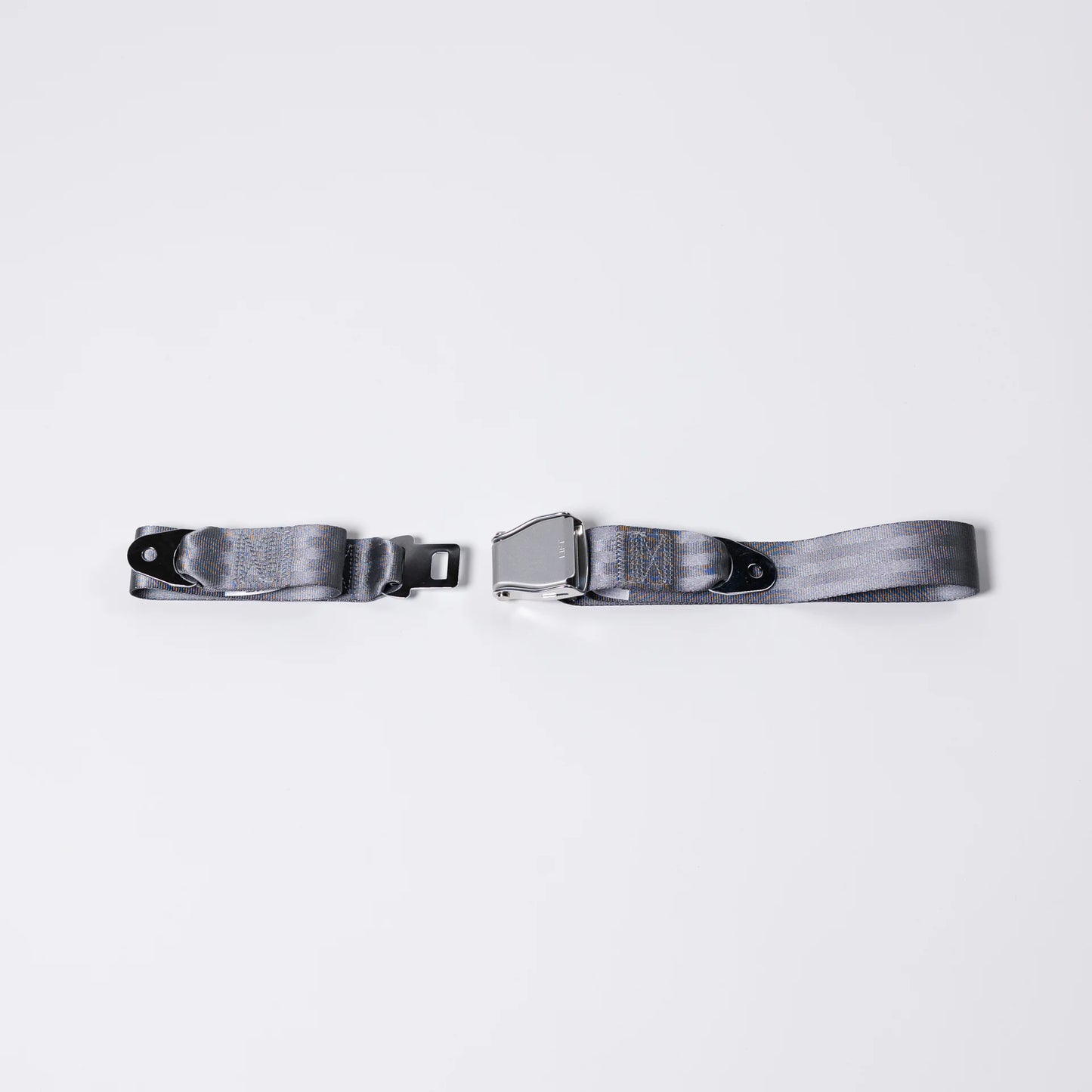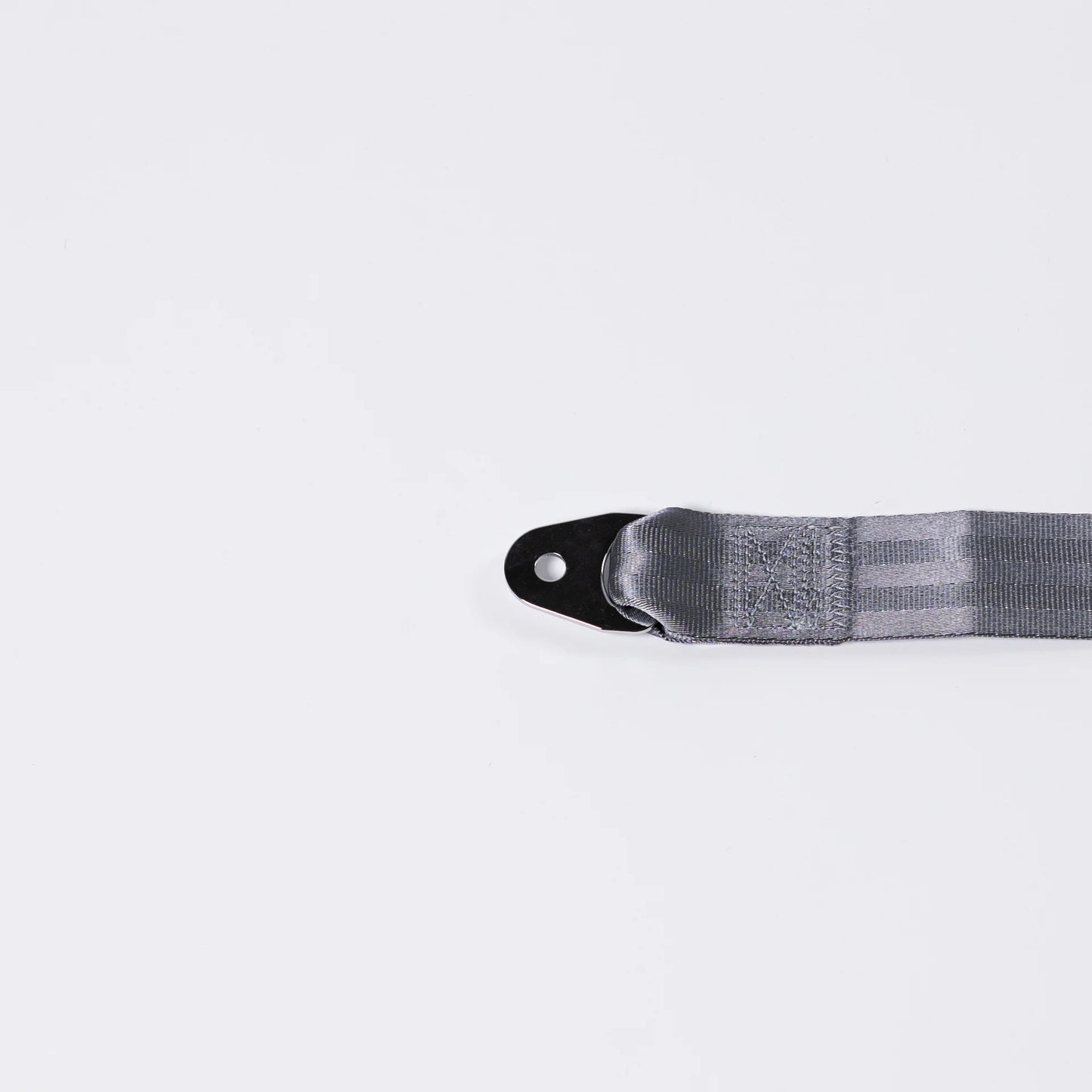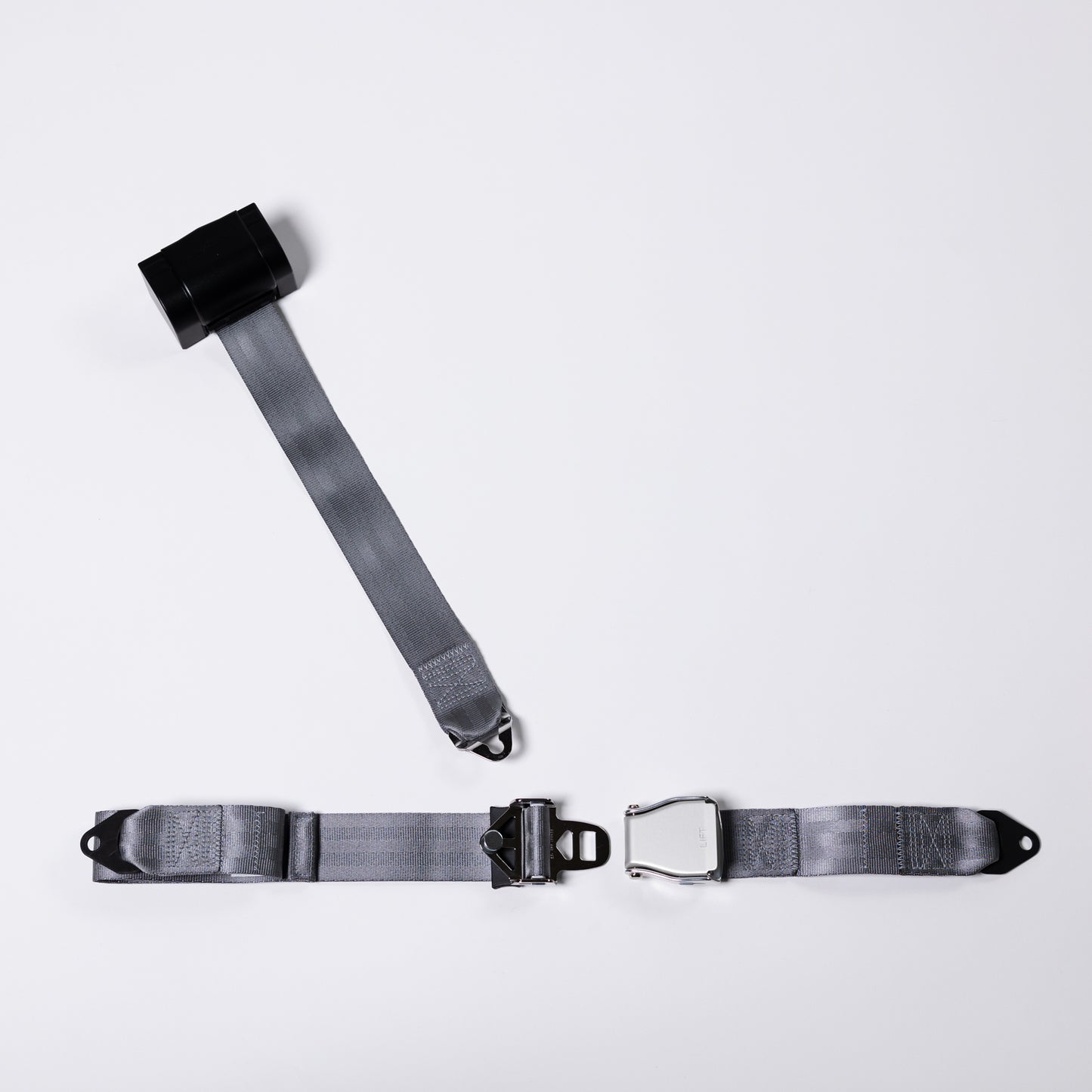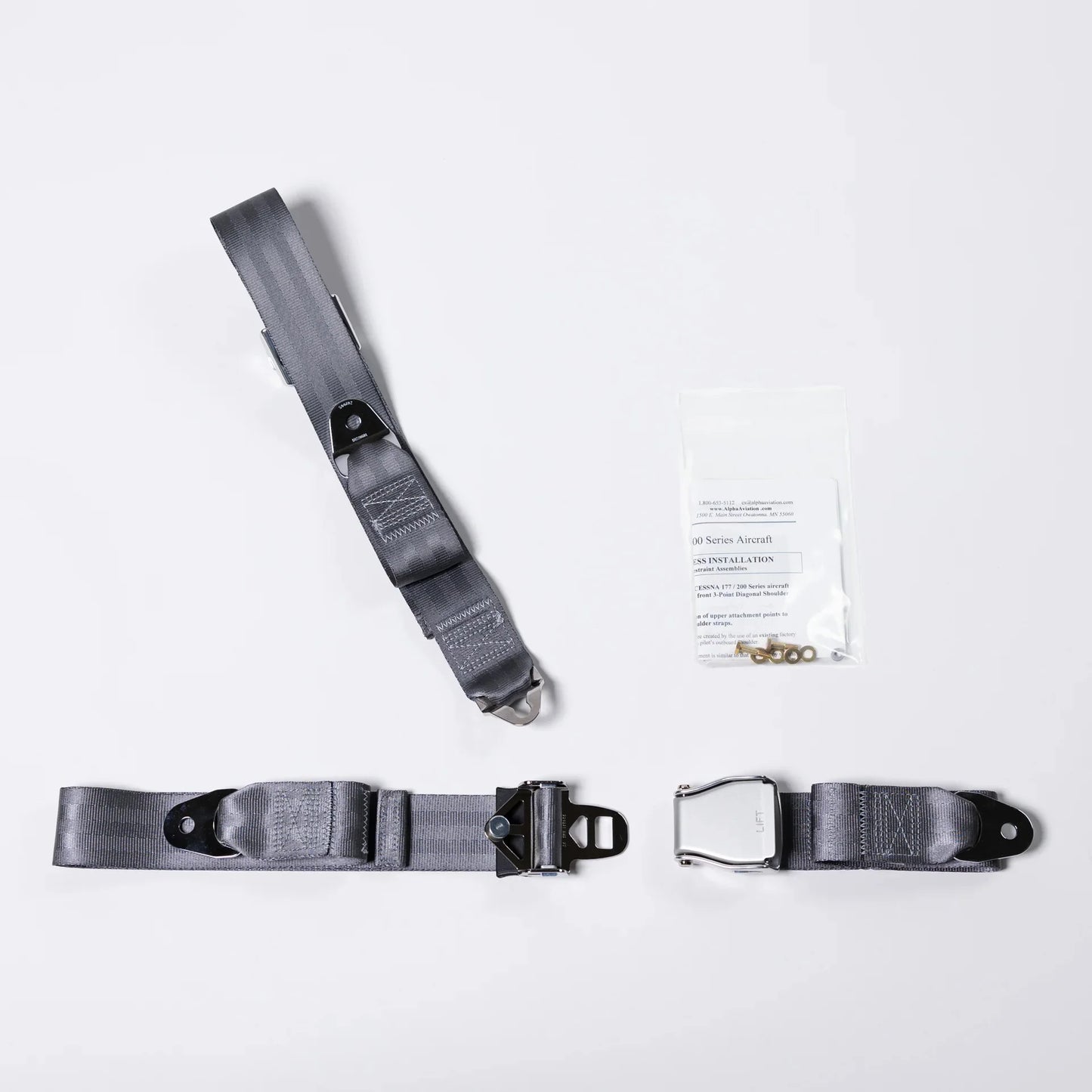
Aircraft seatbelt webbing collects dirt, oils from hands and clothing, and general grime over years of use, and it’s tempting to clean it the same way you’d clean any other fabric strap. The problem is that some common cleaning products and methods can weaken webbing fibers without leaving any visible sign of damage, which means a belt that looks clean afterward could actually be less capable of doing its job in an impact.
This guide covers what’s safe to use on aircraft restraint webbing, what to avoid, and when cleaning isn’t enough and the belt needs to be inspected for wear instead.
Key Takeaways
- Harsh solvents, bleach, and many household cleaning products can degrade webbing fibers even when there’s no visible discoloration or damage afterward.
- Mild soap and water, applied correctly, is generally safe for aircraft restraint webbing.
- Never machine wash or machine dry aircraft restraint webbing. Heat and agitation can both weaken fibers and distort stitching.
- Cleaning is not a substitute for inspection. A clean belt can still be a worn belt.
Why Cleaning Method Actually Matters
Aircraft restraint webbing is a certified, load-bearing material. Its strength rating assumes the fiber structure hasn’t been chemically or thermally compromised. Certain solvents and cleaning agents can break down the fibers at a molecular level without changing the webbing’s appearance, which means a belt can look perfectly clean and intact while actually being weaker than its rated strength.
This is different from ordinary fabric care, where the main concern is usually just appearance and comfort. With restraint webbing, the concern is structural, which is why manufacturer-specific cleaning guidance exists and is worth following rather than improvising.
What’s Generally Safe to Use
A mild soap and water solution, applied with a soft cloth or sponge rather than a stiff brush, is the standard safe approach for most restraint webbing. Work the solution gently into the fabric, avoid oversaturating it, and let it air dry completely away from direct heat sources before the belt goes back into service.
AmSafe, a major restraint manufacturer, publishes specific guidance on both dry cleaning approaches and household product-based cleaning for restraint webbing, which is worth reviewing directly since it details exactly which household products are and aren’t appropriate.
What to Avoid
Bleach, harsh solvents, strong degreasers, and any aggressive stain removers should not be used on restraint webbing, even if they seem effective at removing a stubborn stain. These products can chemically weaken fibers in ways that aren’t visible after the fact. Machine washing and machine drying are also off the table: the agitation can distort stitching and webbing shape, and dryer heat can degrade synthetic fibers well before the material shows any obvious sign of damage.
If a stain doesn’t come out with a mild soap and water approach applied correctly, that’s a signal to stop and consider whether the belt needs replacement rather than a more aggressive cleaning attempt.
Cleaning vs. Inspection: Don’t Confuse the Two
A thorough cleaning is a good opportunity to also inspect the webbing closely, since you’re already handling every section of it. But cleaning itself doesn’t tell you anything about structural condition. Our guide on when to replace aircraft seatbelt webbing covers exactly what to look for: cuts, excessive fraying, broken stitching, and other signs that mean replacement rather than cleaning is the right next step.
Frequently Asked Questions
Can I use a fabric stain remover on aircraft seatbelt webbing?
Most household stain removers aren’t formulated with restraint webbing’s structural requirements in mind and can weaken fibers without visible signs. Stick to mild soap and water, and reference manufacturer-specific cleaning guidance for anything beyond that.
Is dry cleaning safe for aircraft restraint webbing?
Some dry cleaning approaches are appropriate when following manufacturer-specific guidance, but standard commercial dry cleaning services aren’t designed with aviation restraint materials in mind. Follow published guidance from your restraint’s manufacturer rather than assuming a standard dry cleaner’s process is safe.
How often should aircraft seatbelts be cleaned?
There’s no fixed interval. Clean when webbing shows visible dirt or contamination that could hide damage during inspection, and use the cleaning process as an opportunity to inspect closely at the same time.
Getting Clean Without Getting Weaker
The safest cleaning approach for aircraft restraint webbing is also the simplest one: mild soap, water, a soft cloth, and air drying. Anything more aggressive risks trading a visible stain for an invisible weakness, which is a bad trade for a component whose entire job is holding up under load exactly once, when it matters most.
Need to Replace Rather Than Clean?
If cleaning doesn’t resolve the issue, or your inspection turns up wear that goes beyond surface dirt, Alpha Aviation manufactures replacement restraint systems for a wide range of general aviation aircraft.
Browse restraint systems or contact Alpha Aviation if you’re not sure whether your belt needs cleaning or replacement.