Choosing the right aircraft jack is critical for safe and efficient maintenance. Whether you're an aircraft owner, A&P mechanic, or maintenance shop, selecting the correct jack comes down to three key factors: weight capacity, jack height, and aircraft type.
In this guide, we’ll break down exactly how to choose the right aircraft jack using proven recommendations from Alpha Aviation’s application data.
Why Choosing the Right Aircraft Jack Matters
Using the wrong aircraft jack can lead to:
- Unsafe lifting conditions
- Damage to your aircraft
- Inefficient maintenance workflows
That’s why it’s essential to match your jack to your aircraft’s specific requirements, not just guess based on general specs.
The 3 Key Questions to Ask Before Buying an Aircraft Jack
1. What Is the Distance from the Ground to the Jack Point?
This is one of the most important—and most overlooked—factors.
Aircraft jacks must:
- Fit under the aircraft at the starting height
- Extend high enough to safely lift the aircraft
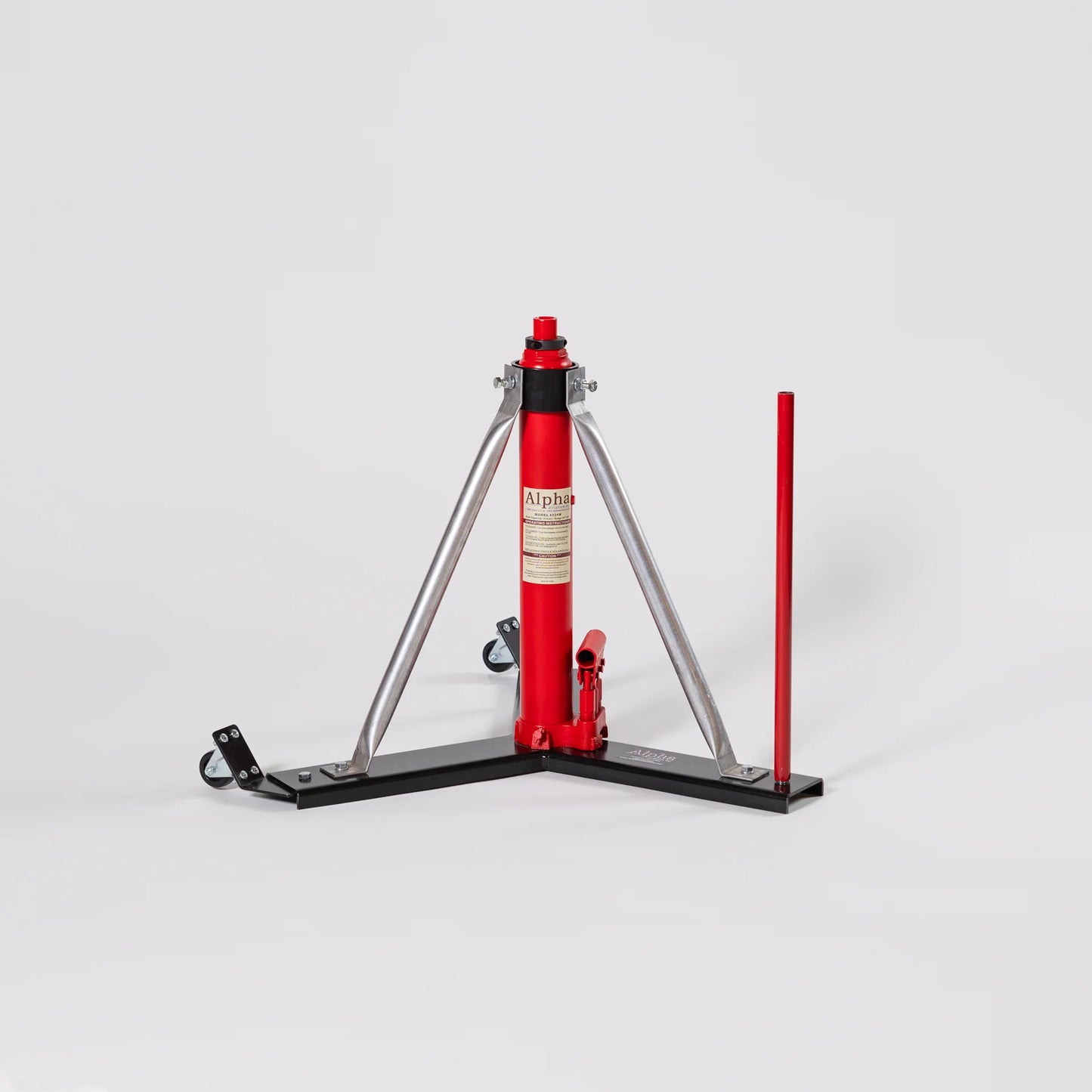
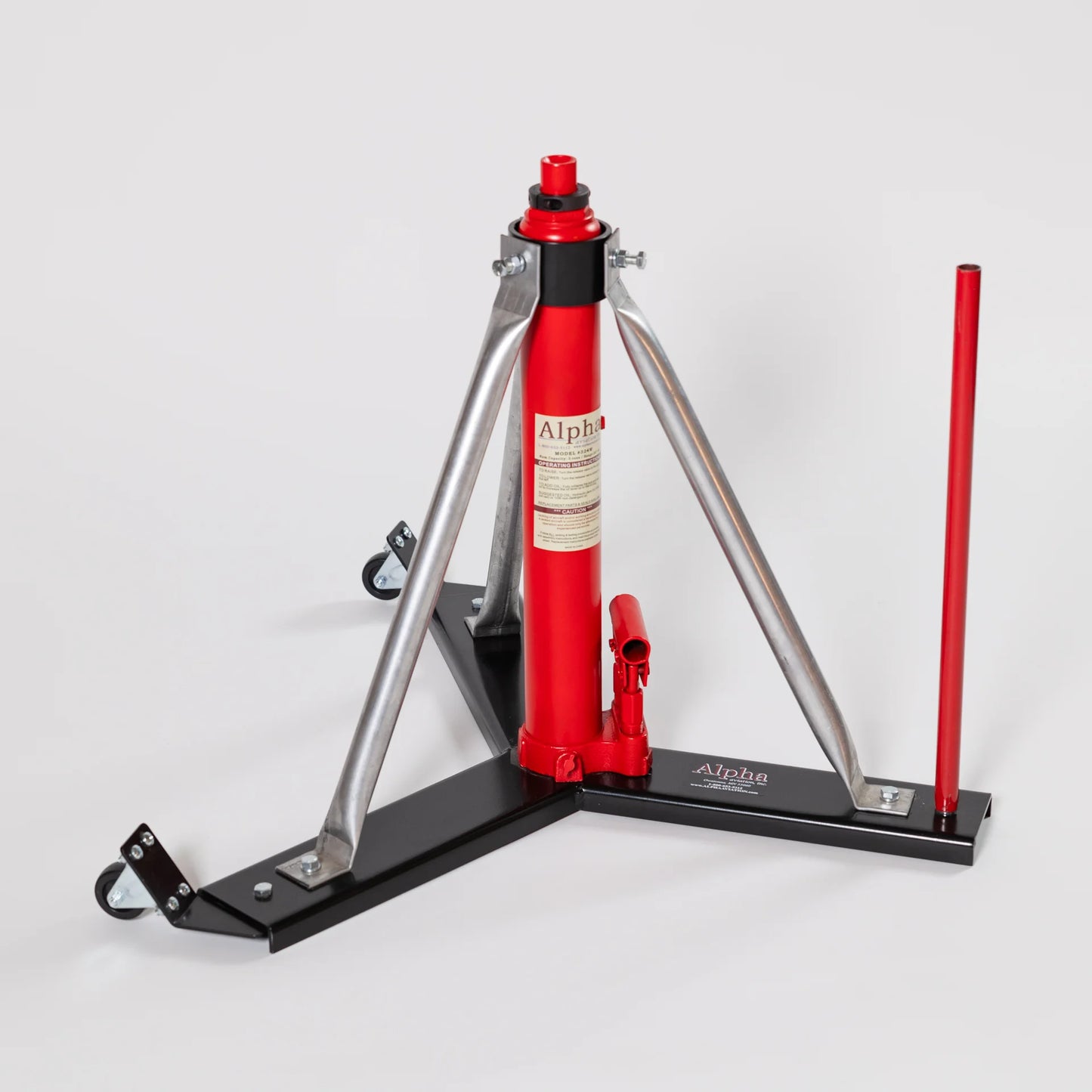
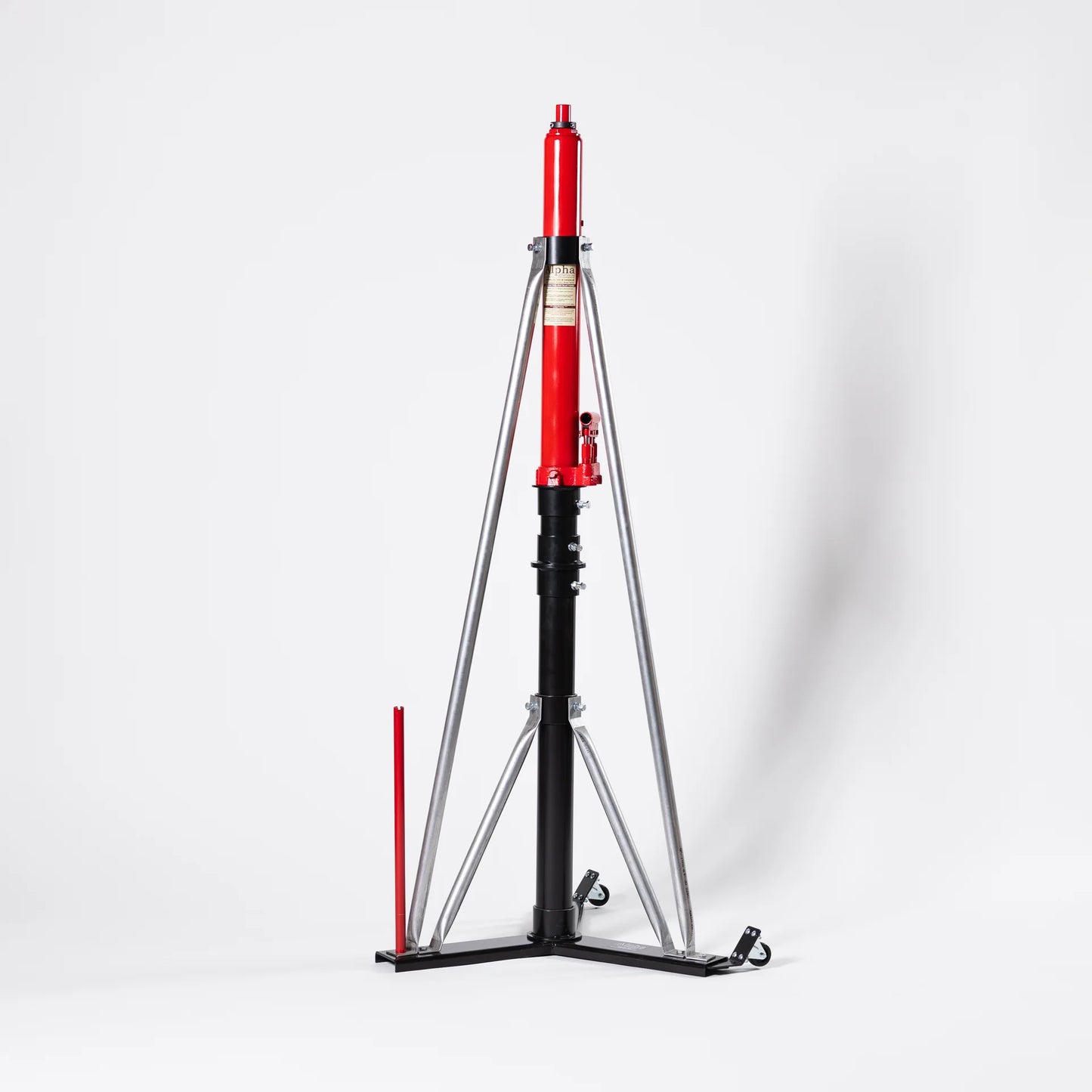
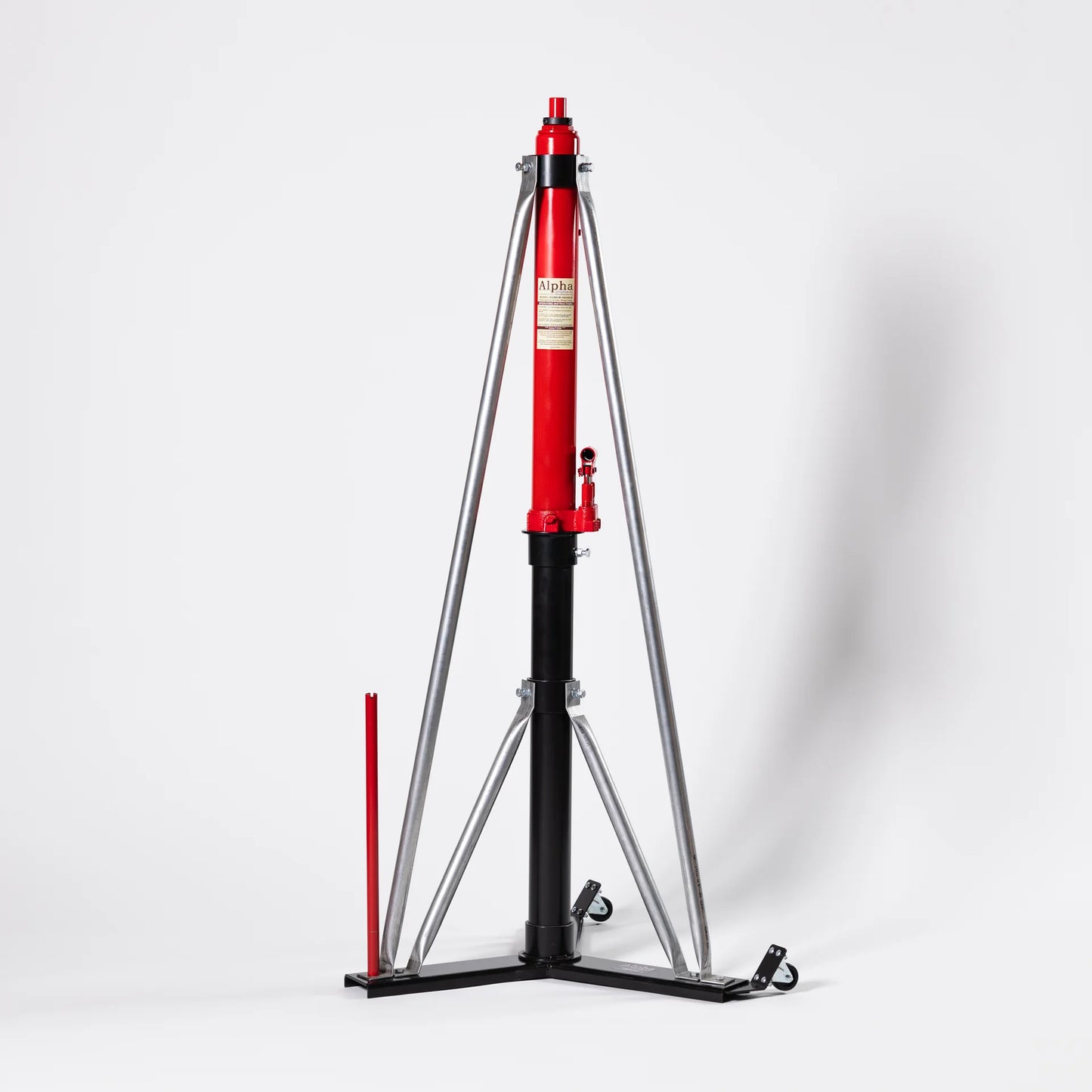
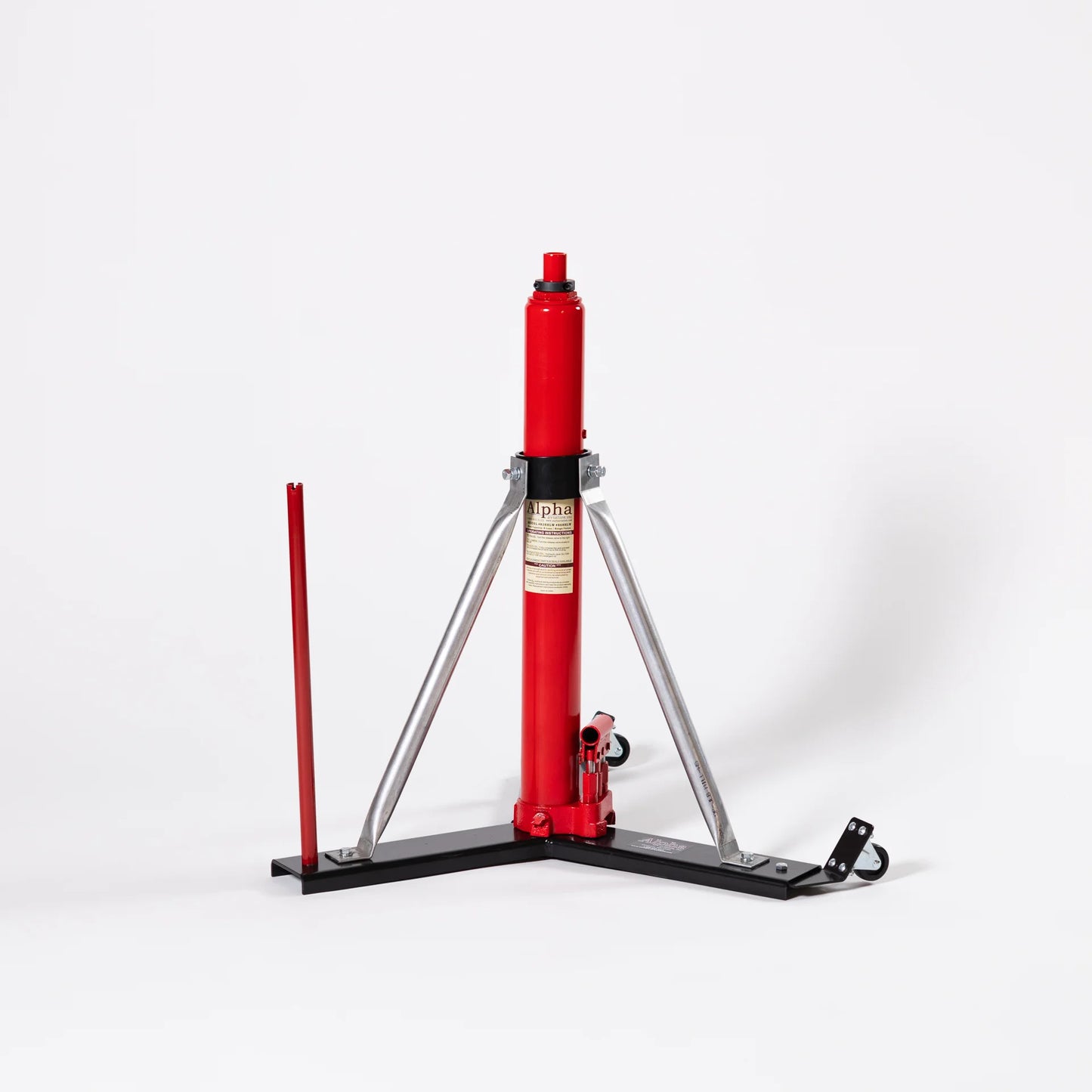
Alpha Aviation jacks feature a “building block” riser system, allowing you to adjust starting heights by adding or removing risers. This flexibility is especially useful for maintenance shops working on multiple aircraft types.
Pro Tip: It’s best to have as much ram extension as possible at the jack point for stability.
2. How Much Weight Are You Lifting?
Aircraft jacks typically fall into two main categories:
- 3-Ton Jacks (6,000 lbs)
- 8-Ton Jacks (16,000 lbs)
If you’re unsure, it’s often safer to go with a higher capacity option.
As a general rule:
“If there’s any doubt—go with an 8-ton jack for added safety and stability.”
3. How High Do You Need to Lift the Aircraft?
Beyond starting height, you also need to consider:
- Total lift required
- Maintenance clearance
- Gear retraction or inspection needs
Most Alpha Aviation jacks offer:
- 17–18 inches of travel (standard models)
- Up to 25 inches (High Lift models)
This ensures you have enough range for a wide variety of maintenance tasks.
Understanding Aircraft Jack Models
Alpha Aviation offers multiple jack models designed for different applications:
Common Model Ranges
- 324W / 326W / 332W / 368W (3-Ton Series)
- 838W / 868W (8-Ton Series)
- 838HLW / 868HLW (High Lift Models)
Each model is designed to accommodate different:
- Aircraft weights
- Jack point heights
- Lift requirements
Aircraft-Specific Considerations
Different aircraft require different jack setups. For example:
Cessna Aircraft
- Many models (like the 182RG and 208B) can use standard or high-lift jacks
- Some applications may require additional locking collars
Beechcraft Aircraft
- Models like the Baron and Bonanza commonly use 3-ton jacks
- Always verify height and lift requirements before purchasing
Piper Aircraft
- Aircraft like the Cherokee and Saratoga are commonly supported
- Twin-engine aircraft may require multiple jacks
Experimental & Other Aircraft
- Cirrus, Diamond, and homebuilt aircraft often work with standard models
- Always confirm jack point configuration and load requirements
Important: Some aircraft (including larger turboprops and jets) are not recommended for use with these jacks. Always verify compatibility before purchasing.
How Many Aircraft Jacks Do You Need?
Depending on your aircraft, you may need:
- 1 jack (nose only)
- 3 jacks (nose + both mains)
- 4 jacks (larger or older aircraft)
Always consult your aircraft manual or mechanic to determine the correct setup.
Safety Considerations When Using Aircraft Jacks
Before lifting any aircraft:
- Verify weight and height requirements
- Ensure proper jack placement points
- Use additional locking collars when recommended
- Avoid side-load scenarios
When in doubt, always consult a qualified mechanic.
Built for Versatility: The Alpha Aviation Difference
Alpha Aviation aircraft jacks are designed by aviation professionals who understand real-world maintenance needs.
Key features include:
- Modular riser system for adjustable height
- Stable 3-leg base design
- “Tilt ‘n’ Go” wheels for easy transport
- Designed to clear gear doors during use
These features make them ideal for both individual aircraft owners and busy maintenance shops.
Confirming Your Jack Capacity Before You Buy
Weight capacity gets the most attention, but it’s only one of three checks. A jack rated for your aircraft’s weight that can’t reach the jack point, or that maxes out before the gear clears, is still the wrong jack. Verify all three: capacity, starting height, and lift range, against your specific aircraft before ordering.
For a closer look at the most common decision point, 3-ton versus 8-ton capacity, see our side-by-side comparison guide.
Need Help Choosing the Right Jack?
If you’re unsure which model is right for your aircraft, the team at Alpha Aviation can help. Click here to view the Jack Application Chart Guide.
Contact us today to find the right aircraft jack for your specific application.