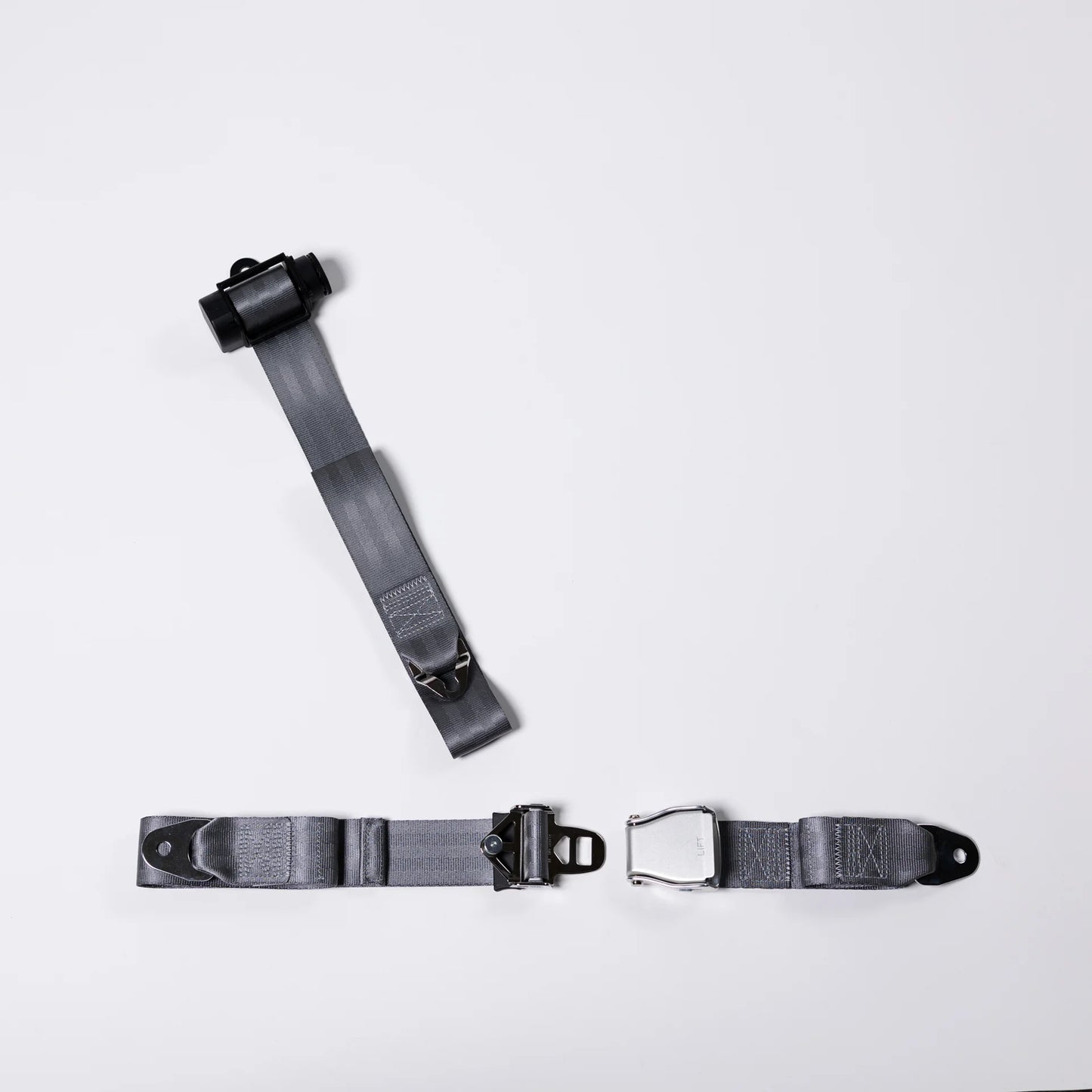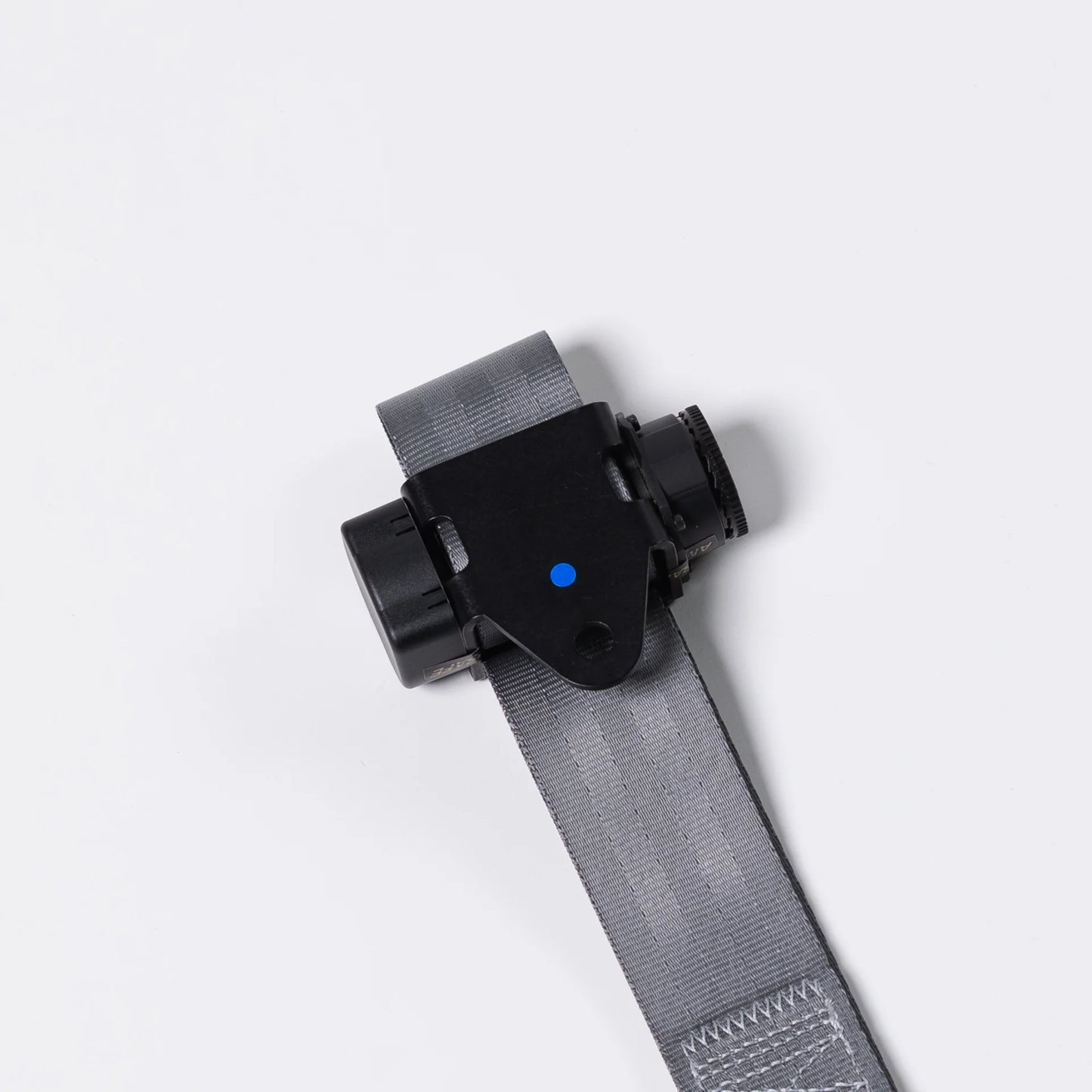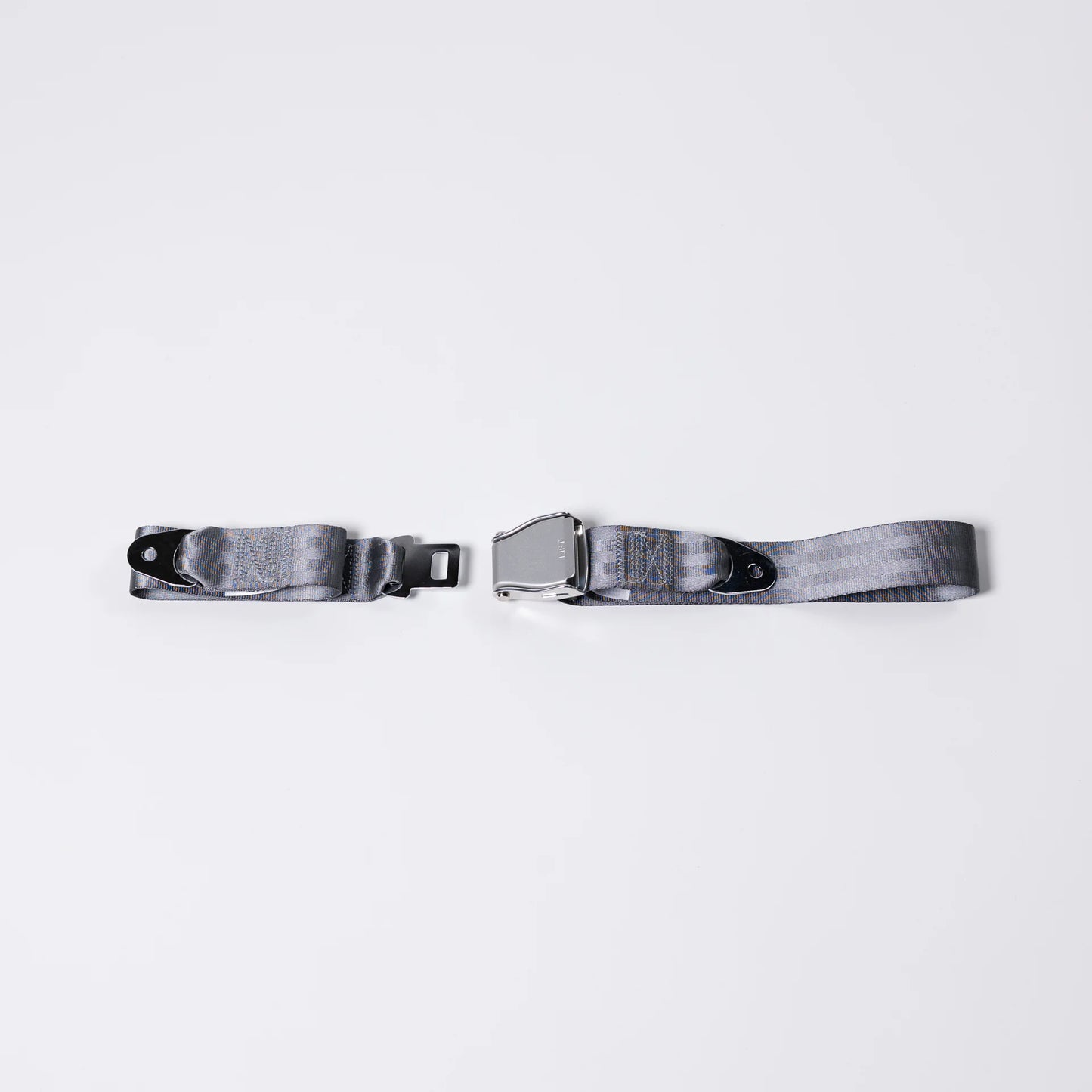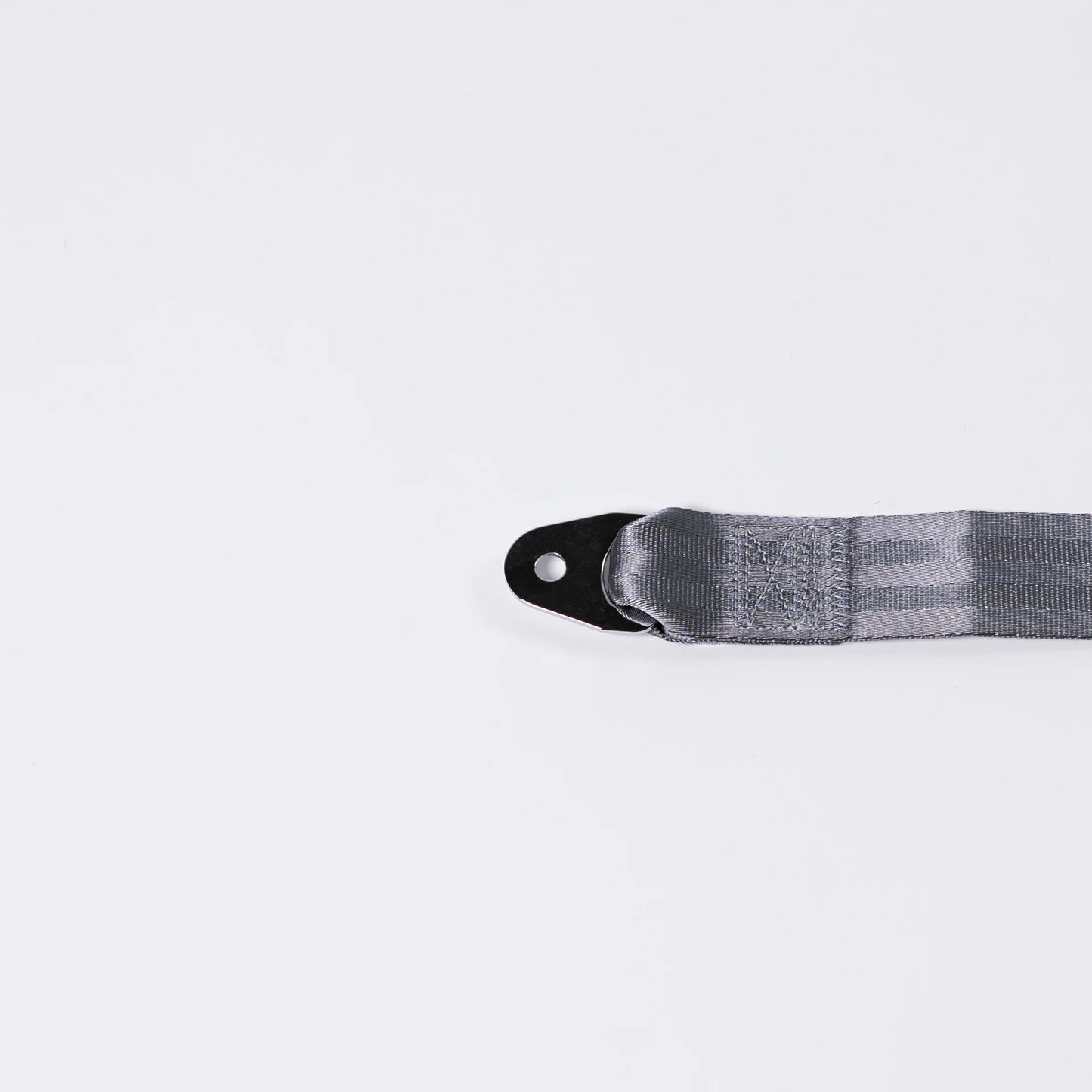
Most aircraft owners understand the importance of regular inspections for engines, brakes, tires, and flight controls. Yet one of the most critical safety systems in any aircraft is often overlooked: the aircraft seatbelt and shoulder harness system.
Because restraint systems are used on every flight, they are subject to years of wear from movement, sunlight, temperature changes, and daily use. While a seatbelt may appear serviceable at first glance, damaged webbing can significantly reduce its ability to protect occupants when it's needed most.
This guide focuses specifically on webbing condition and fraying. For a broader structural inspection covering TSO tags, hardware, and reel function, see our aircraft seatbelt safety inspection guide.
Why Aircraft Seatbelt Webbing Matters
Your aircraft restraint system serves a simple but critical purpose: keeping occupants securely restrained during turbulence, hard landings, runway excursions, and accidents.
Modern aircraft restraint systems are engineered to withstand substantial forces, but their effectiveness depends heavily on the condition of the webbing itself.
Over time, exposure to:
- UV radiation
- Dirt and contaminants
- Repeated loading and unloading
- Friction against seats and cabin structures
- Moisture and environmental conditions
can gradually weaken webbing fibers and reduce overall strength.
That's why regular inspection of aircraft seatbelts and shoulder harnesses should be part of every aircraft owner's maintenance routine.
What to Look for During an Aircraft Seatbelt Inspection
A thorough visual inspection can often identify problems before they become serious safety concerns.
When examining aircraft restraint webbing, look for signs of:
Cut or Worn Edges
One of the most common indicators of webbing deterioration is wear along the edges.
Inspect the entire length of the restraint for:
- Cuts
- Nicks
- Abrasion damage
- Edge wear
Even small cuts can create weak points that may continue to worsen over time.
Any webbing with a cut or torn edge should be replaced.
Damaged Stitching
Aircraft restraint systems rely on precisely engineered stitching patterns to achieve their rated strength.
Inspect all sewn sections for:
- Missing stitches
- Torn stitches
- Loose stitching
- Separation of stitched joints
Damaged stitching can compromise the load-carrying capability of the restraint system and should never be ignored.
Broken Fabric Threads
As webbing ages, individual fibers can begin to break.
Look closely for:
- Broken yarns
- Pulled threads
- Areas where the weave appears inconsistent
A small amount of wear is expected over time, but excessive fiber damage may indicate that replacement is necessary.
Fraying and Chafing
Not all fraying automatically requires replacement.
A limited amount of frayed webbing can still maintain adequate strength. However, excessive fraying can weaken the restraint system and interfere with proper operation.
Excessive fraying may include:
- Significant edge deterioration
- Large areas of broken fibers
- Distorted webbing shape
- Webbing that no longer feeds smoothly through hardware
If fraying affects the operation of the restraint system, replacement should be considered immediately.
Excessive Wear or Fusing
Inspect the webbing for:
- Flattened areas
- Shiny spots from abrasion
- Melted fibers
- Heat damage
- Excessive wear marks
Fused or melted webbing can indicate exposure to heat or friction and may significantly reduce strength.
Understanding Acceptable Fraying vs. Excessive Damage
One of the most common questions aircraft owners ask is:
"How much fraying is too much?"
Minor fraying does not necessarily mean a restraint must be replaced.
In general, frayed webbing may remain serviceable if:
- The original yarn pattern remains identifiable
- The fraying is limited
- The restraint continues to function properly
However, replacement is recommended when:
- Fraying exceeds approximately 10% of the webbing width
- Frayed areas become extensive
- The webbing's operation is affected
- Broken yarns are present throughout the restraint
If there is any doubt regarding the condition of a restraint system, replacement is typically the safest option.
Why Aging Aircraft Are More Susceptible
Many aircraft currently flying today are several decades old.
Even if a restraint system appears visually acceptable, factors such as:
- Long-term UV exposure
- Cabin heat
- Environmental contamination
- Material aging
can reduce the strength of the webbing over time.
This is especially common in older:
- Cessna aircraft
- Piper aircraft
- Beechcraft aircraft
- Ercoupe aircraft
- Vintage and classic aircraft
For these aircraft, periodic inspection and replacement of restraint systems should be considered part of a proactive safety strategy.
Benefits of Replacing Worn Aircraft Seatbelts
Upgrading worn or aging restraint systems offers several advantages.
Improved Safety
New webbing provides the strength and reliability originally intended by the manufacturer.
Increased Comfort
Modern restraint systems often feature:
- Improved adjustability
- Smoother operation
- Better occupant comfort
Enhanced Aircraft Value
Well-maintained safety equipment is often viewed favorably by prospective buyers.
FAA Compliance
Replacing damaged restraints helps ensure continued compliance with applicable certification standards and maintenance requirements.
When Should You Replace Aircraft Seatbelt Webbing?
Consider replacement if you observe:
- Cut or torn edges
- Excessive fraying
- Broken yarns or fabric threads
- Damaged stitching
- Distorted webbing
- Melted or fused fibers
- Improper restraint operation
- Unknown age or maintenance history
When occupant safety is involved, replacement is often the most cost-effective decision.
Why Aircraft Owners Trust Alpha Aviation
For decades, Alpha Aviation has helped aircraft owners improve safety through high-quality aircraft restraint solutions.
Alpha Aviation offers:
- Aircraft seatbelt replacement systems
- Shoulder harness upgrades
- Inertial reel restraint systems
- PMA-approved restraint solutions
- Aircraft-specific installation options
Whether you're maintaining a vintage aircraft or upgrading a modern general aviation airplane, the right restraint system can make a significant difference in both safety and comfort.
So, How Do You Know It’s Time to Replace?
If the fraying is limited, the yarn pattern is still identifiable, and the restraint still functions smoothly, minor wear alone isn’t a reason to replace. Once fraying passes roughly 10% of the webbing width, stitching shows damage, or the belt no longer feeds cleanly through hardware, replacement stops being optional.
When in doubt, replace it. A new restraint system costs far less than finding out the old one wasn’t up to the job.
Need Help Inspecting or Replacing Your Aircraft Restraints?
Alpha Aviation specializes in aircraft restraint systems for a wide range of general aviation aircraft.
Whether you need:
- Replacement aircraft seatbelts
- Shoulder harness upgrades
- Inertial reel systems
- Aircraft-specific restraint solutions
our team can help you find the right option for your aircraft.
Contact Alpha Aviation today to learn more about upgrading your aircraft's restraint system.