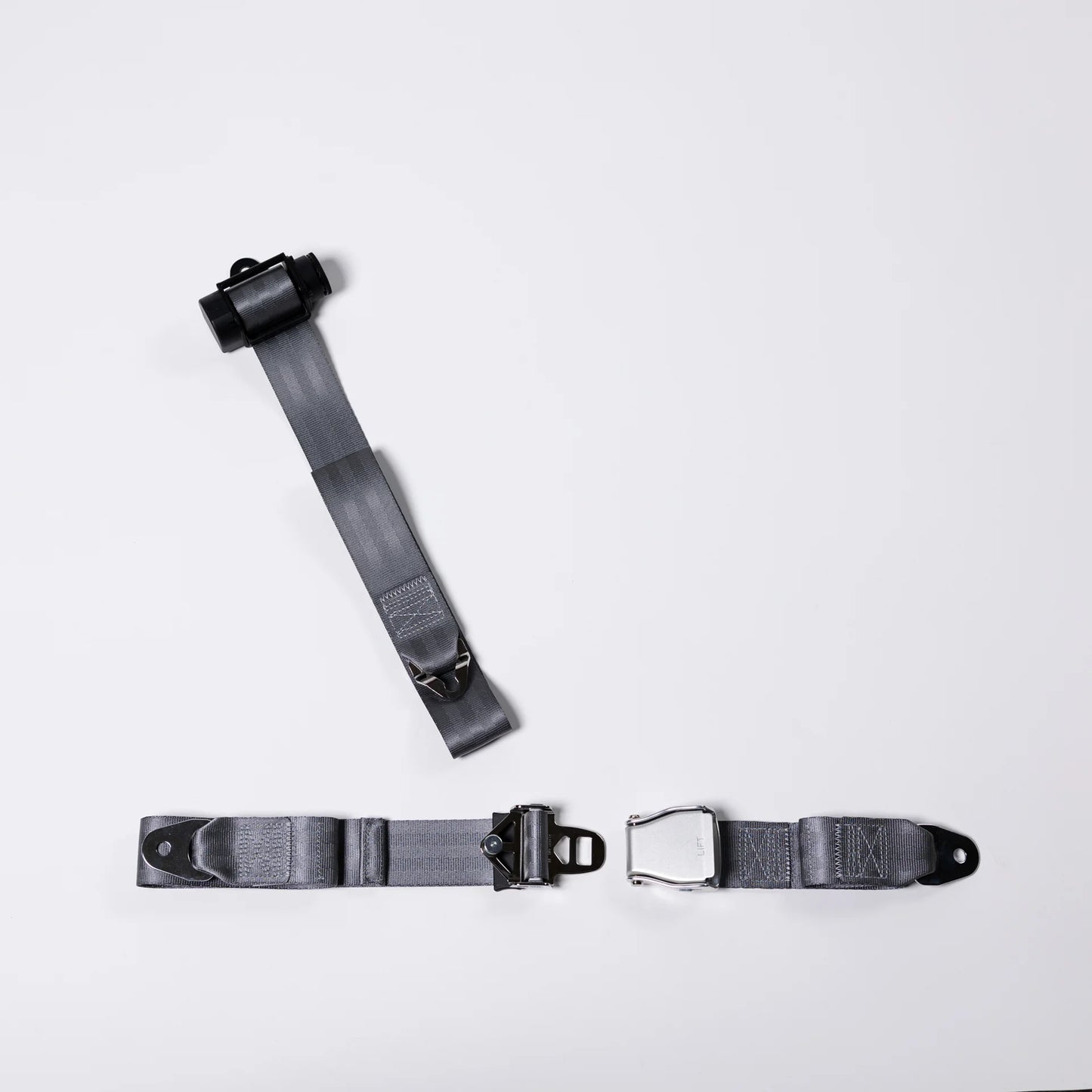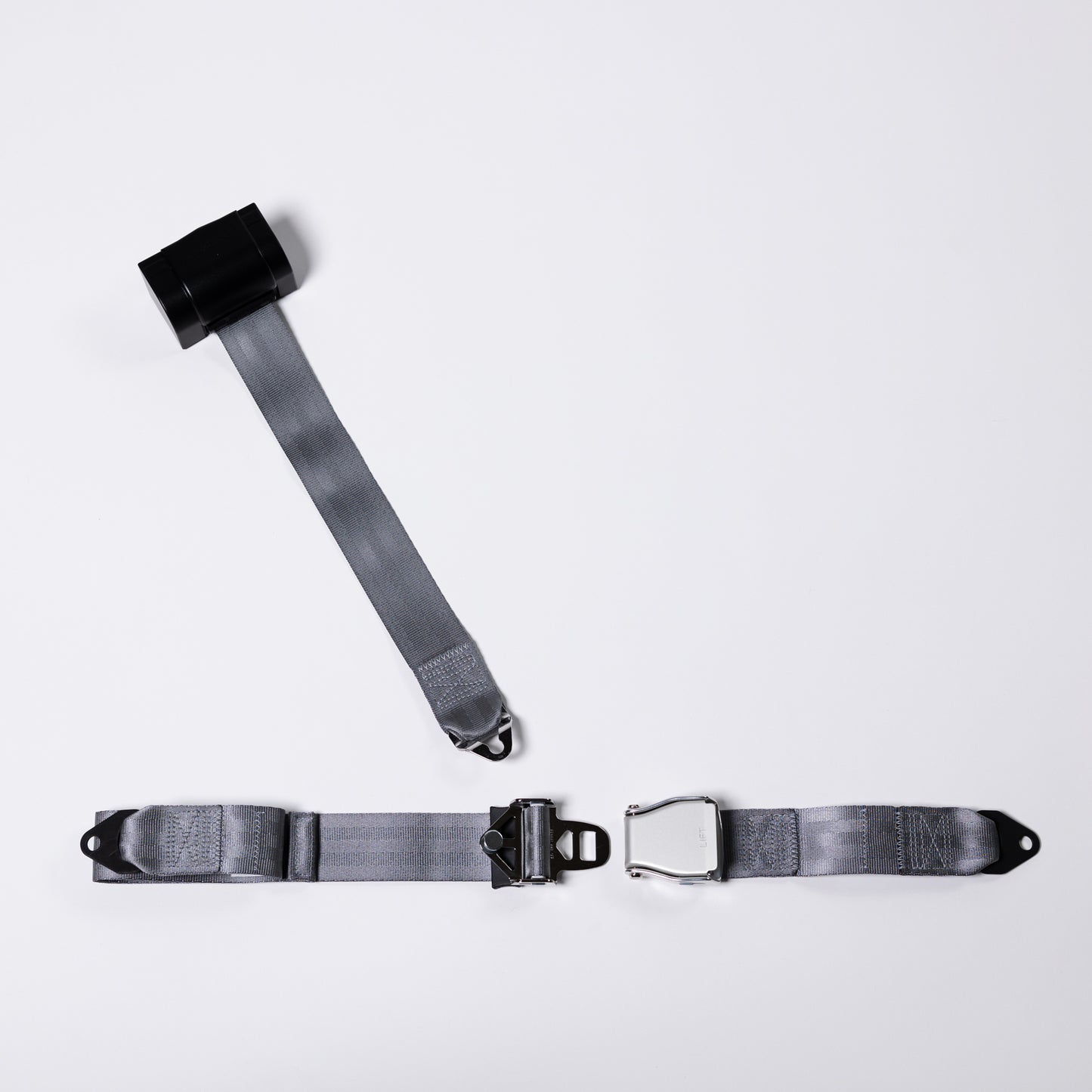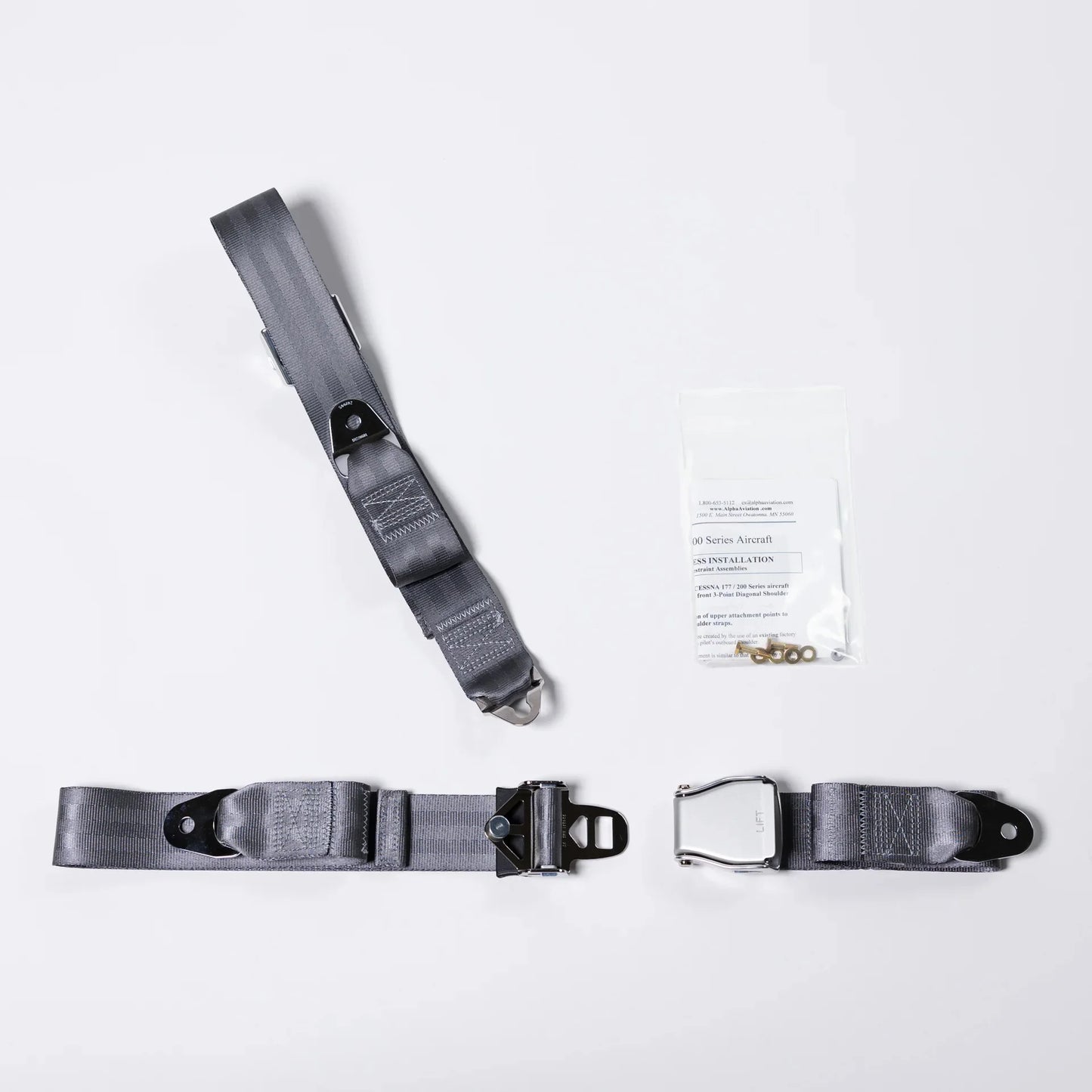
When it comes to aircraft safety, most pilots and owners focus on engines, avionics, and structural integrity, but one critical component is often overlooked: your aircraft restraint system.
A common phrase we hear is:
“My seatbelts are original to the aircraft, and they still look great.”
But the reality is, it’s what you can’t see that can put you at risk.
In this guide, we’ll walk through how to properly inspect your aircraft seatbelts, shoulder harnesses, and inertial reel systems, and when it’s time to replace them.
Why Aircraft Restraint Systems Matter
Your aircraft seatbelt and shoulder harness system is your last line of defense in the event of:
- Hard landings
- Sudden deceleration
- Turbulence or unexpected impact
If these systems fail, the consequences can be severe—even if everything else performs perfectly.
Structural Inspection: What to Look For
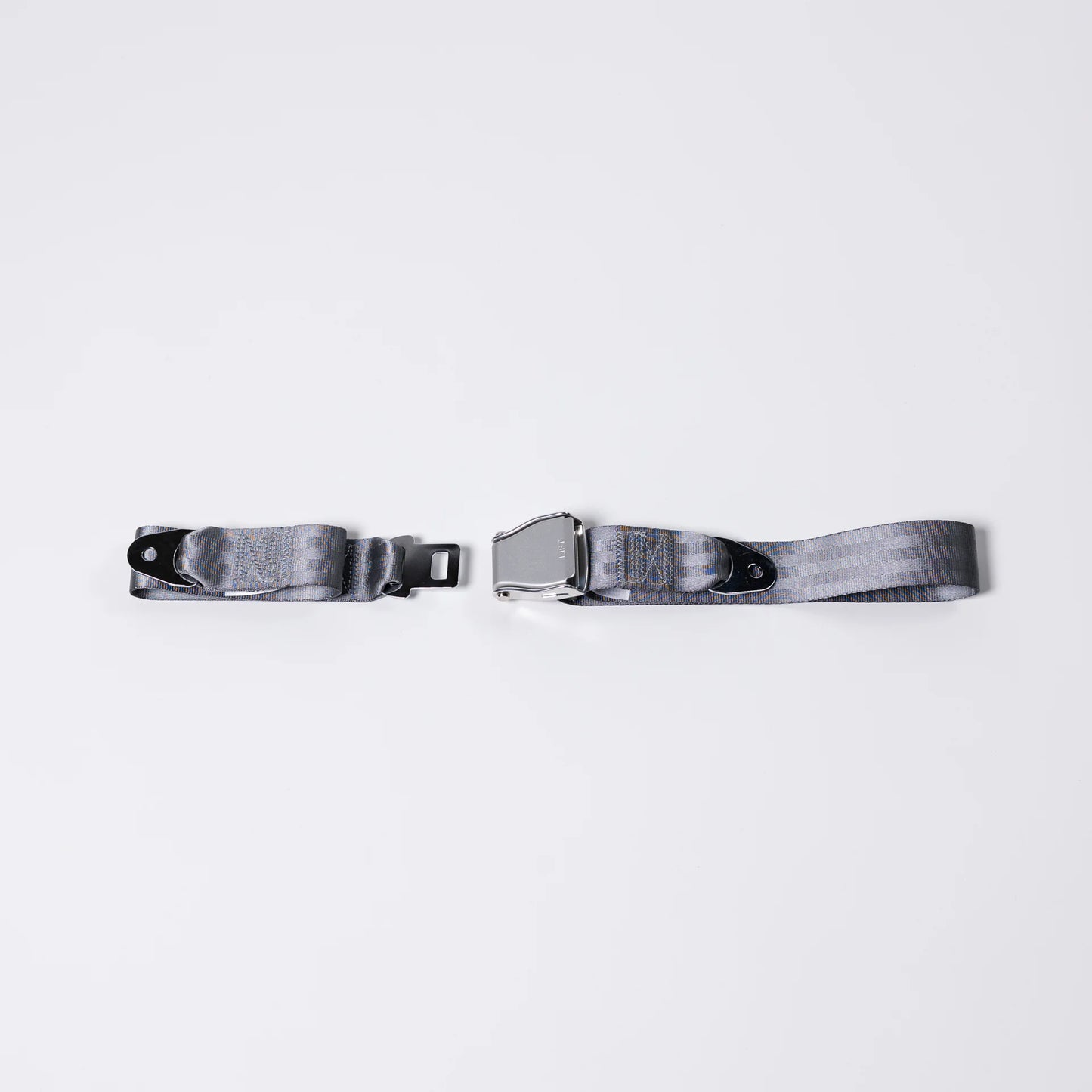
Start by inspecting the structural components of your aviation restraint system.
Key Inspection Points:
- TSO Tags are present, secure, and legible
- No signs of corrosion, cracking, warping, or binding
- All hardware meets AN, MS, or NAS standards
- Cotter pins are properly installed (if applicable)
- Lap belt buckles latch and release correctly
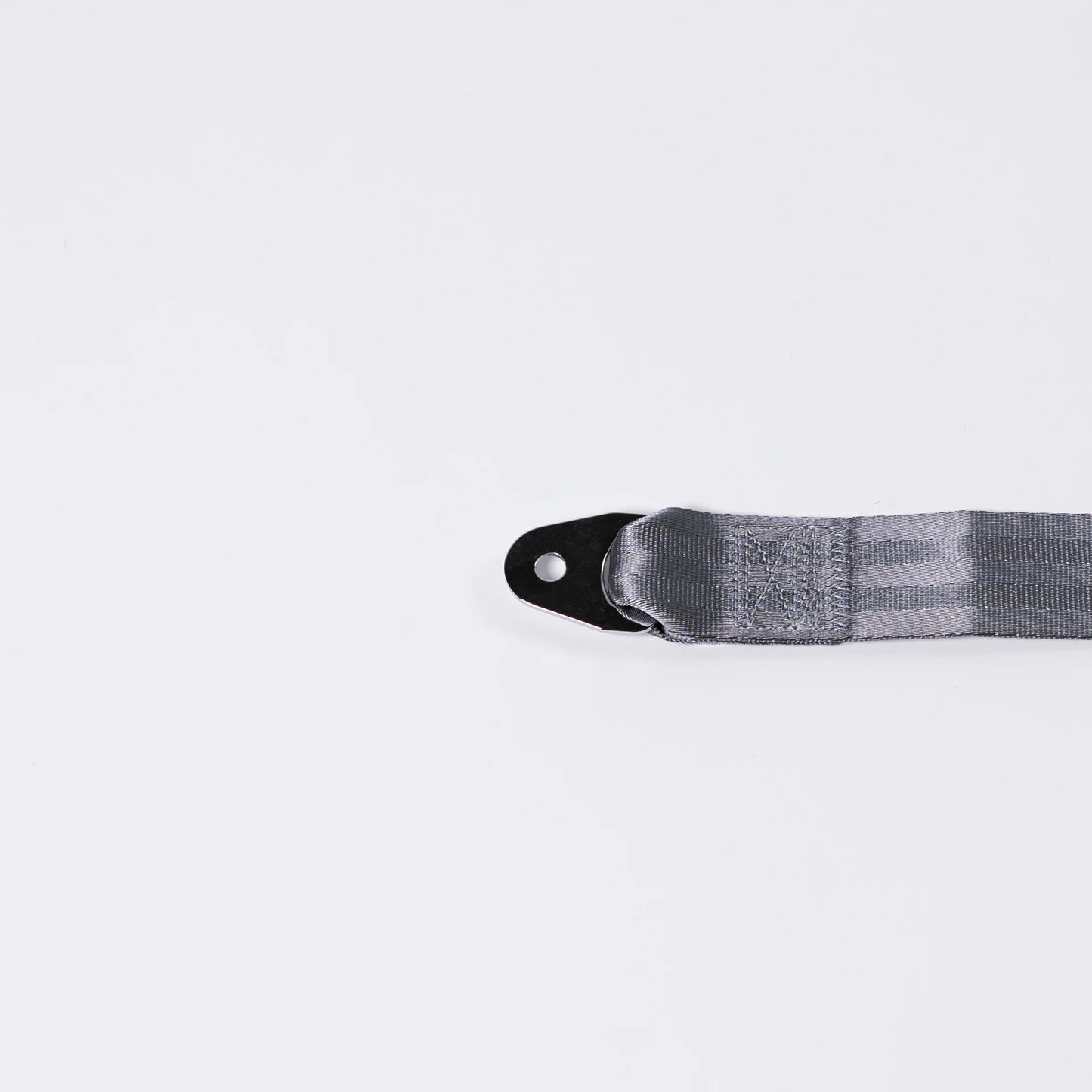
- Shoulder harness grommets are intact and secure
Important: Missing or illegible TSO tags mean the restraint is non-conforming and must be replaced.
Inertial Reel Functionality
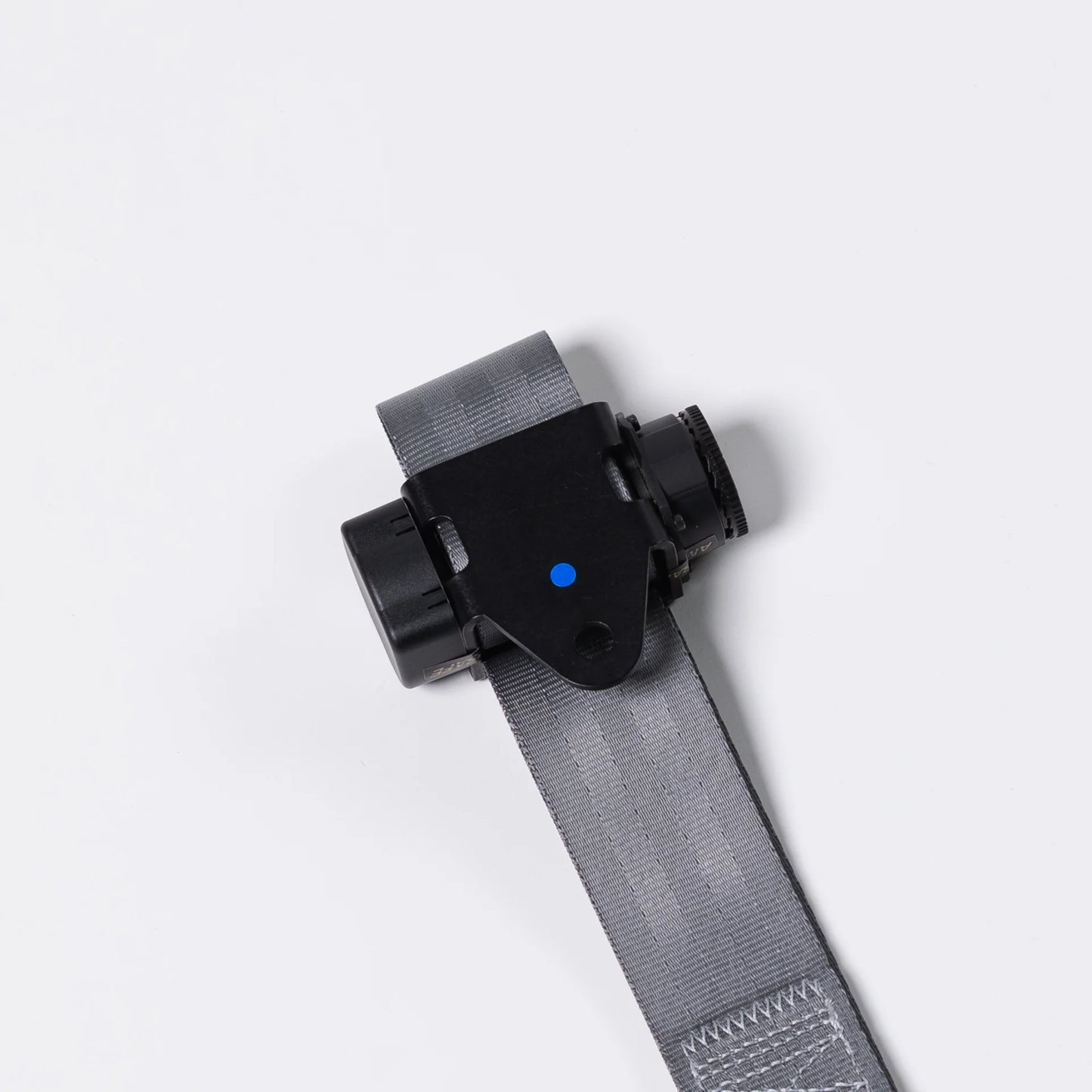
If your aircraft uses inertial reel seatbelts, proper function is critical.
Test Your Reel:
- Perform a quick pull → the reel should lock immediately
- Slowly pull again → it should release smoothly
- Ensure the reel is mounted to allow free webbing movement without binding
If your inertial reel was manufactured prior to June 1992, check it against applicable service bulletins to ensure it is still airworthy.
Webbing Condition: Signs of Wear
Even if your seatbelts look fine at first glance, webbing degradation is common over time.
Watch for:
- Fraying or pilling
- Cuts, holes, or punctures
- Brittle material from UV exposure
- Missing or broken stitching
- Misshapen or wavy webbing
- Heavy soiling or contamination
Key Insight: UV exposure and age can significantly weaken webbing strength—even if damage isn’t obvious.
Understanding TSO Tags (Why They Matter)
A TSO (Technical Standard Order) tag confirms that your aircraft restraint system meets FAA safety standards.
TSO Tags Include:
- Manufacturer information
- Part number
- Date of manufacture
- Strength rating
- Certification standard
Where to Find Them:
- Lap belts: Near end fittings on both sides
- Shoulder harnesses: Near the airframe attachment point
- Inertial reels: On the reel housing
If your TSO tag is missing or unreadable, your restraint system is no longer compliant.
Are Shoulder Harnesses Required in Aircraft?
Yes—depending on your aircraft and seating position.
FAA Requirements:
- Front seats: Shoulder harnesses required (since July 18, 1978)
- Rear seats: Required in many aircraft after December 12, 1986
Some configurations (like rear-facing club seats) may be exempt, so always check your:
- Illustrated Parts Catalog (IPC)
- Aircraft documentation
Should You Upgrade Your Aircraft Seatbelts?
If your aircraft does not currently have shoulder harnesses or modern restraint systems, upgrading is one of the best safety investments you can make.
Benefits of Upgrading:
- Improved occupant protection
- Increased comfort
- Compliance with modern safety standards
- Enhanced aircraft value
Modern options include:
- 3-point restraint systems
- 4-point harness systems
- Inertial reel shoulder harnesses
Check Service Bulletins & Airworthiness Directives
Always verify whether your restraint system is affected by:
- Service Bulletins (SBs)
- Airworthiness Directives (ADs)
These may require:
- Inspection
- Modification
- Full replacement
Ignoring these can lead to non-compliance and safety risks.
When Should You Replace Aircraft Seatbelts?
You should replace your aircraft restraint system if:
- TSO tags are missing or illegible
- Webbing shows signs of wear or degradation
- Hardware is damaged or compromised
- The system fails functional testing
- It no longer meets FAA compliance standards
The Bottom Line on Restraint Inspections
A restraint system that looks fine from across the cabin can still fail a close inspection. TSO tags, hardware, reel function, and webbing condition each tell a different part of the story, and any one of them failing is reason enough to replace the system.
If it’s been more than a few years since your last close look, or you’re not sure when the restraints were last replaced, that alone is worth a proper inspection before your next flight.
Need Help with Aircraft Restraint Systems?
Whether you’re inspecting, replacing, or upgrading your aircraft seatbelts, Alpha Aviation offers:
- Replacement aircraft restraint systems
- Shoulder harness upgrade kits
- STC, PMA, and OEM-approved solutions
Contact Alpha Aviation today to find the right restraint system for your aircraft.
For more information on shoulder harnesses, inspection, and requirements, see AC 43.13-2B, chapter 9 click here.
For more information on the Pac-Sci reel AWB A25-1124A click here.