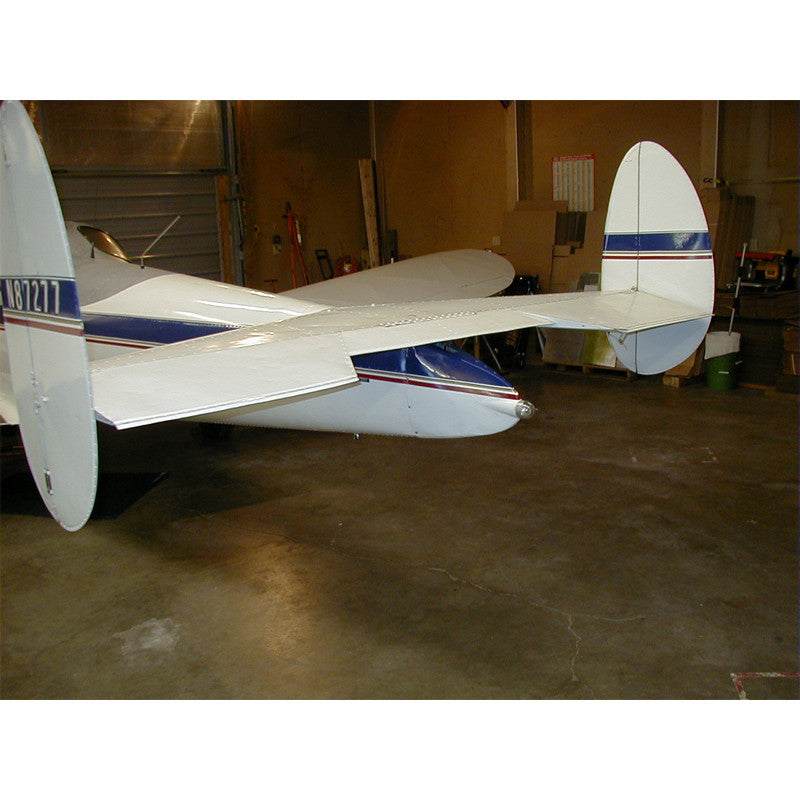
The Ercoupe has long been recognized as one of the most unique and innovative aircraft designs in general aviation. Its handling characteristics, ground stability, and forgiving flight behavior were intentionally engineered to improve safety for pilots.
However, one maintenance issue has become increasingly common as these aircraft age: Tail Low Syndrome.
While it may seem like a minor rigging or landing gear concern, a loss of proper tail height can significantly alter aircraft performance during takeoff and landing. Understanding the causes and solutions is essential for maintaining the safety characteristics that made the Ercoupe famous.
What Is Tail Low Syndrome?
Tail Low Syndrome occurs when an aircraft sits lower at the tail than originally intended by the manufacturer.
In Ercoupe aircraft, maintaining proper tail height is especially important because the airplane was designed to sit on the ground with a slightly negative wing angle of attack. This unique geometry is a key contributor to the aircraft's predictable ground handling and takeoff characteristics.
When the aircraft loses tail height, that carefully engineered angle of attack changes—and the aircraft may no longer behave as intended.
Why Ercoupe Aircraft Were Designed This Way
One of the defining characteristics of the Ercoupe design is its ability to remain firmly planted on the runway during takeoff and landing operations until the pilot deliberately rotates for flight.
This is accomplished by designing the aircraft with:
- A slightly negative wing angle of attack while on the ground
- Strong nose wheel contact during landing rollout
- Positive directional control throughout ground operations
The design allows the aircraft to accelerate to substantial ground speeds before lift-off while maintaining stable handling characteristics.
When the aircraft is properly rigged, tail height is approximately 75 inches, helping preserve this carefully engineered geometry.
How Tail Low Syndrome Develops
When the Ercoupe was originally designed, the aircraft was considerably lighter and typically operated with smaller wheel and tire combinations.
Over time, several factors have contributed to a gradual loss of tail height:
Worn Main Landing Gear Shock Components
The most common cause is deterioration of the main landing gear taxi stack donuts (shock-absorbing rubber components).
As these components age, compress, and lose elasticity, the aircraft settles lower on its landing gear.
Landing Gear Modifications
Many aircraft have received modifications over the years, including:
- Dual fork nose gear assemblies
- Larger nose tires
- Larger main landing gear tires
While these modifications often provide operational benefits, they can also alter the aircraft's ground stance and reduce effective tail height.
Incorrect Nose Gear Spring Installation
Several nose gear spring configurations have been produced throughout the aircraft's service life.
If the wrong spring is installed, nose height may increase, effectively lowering the tail relative to the aircraft's original design geometry.
Why Tail Low Syndrome Is a Safety Concern
A lower tail may not seem significant at first glance, but even small changes can have a substantial impact on aircraft performance.
Premature Lift-Off During Takeoff
As tail height decreases, the wing's static angle of attack becomes more positive.
Instead of remaining firmly on the runway until deliberate rotation, the aircraft may begin generating lift earlier than intended.
This can result in:
- Premature takeoff
- Reduced pilot control during rotation
- Less predictable acceleration characteristics
Reduced Directional Control During Landing
The original Ercoupe design relies heavily on maintaining firm nose wheel contact during landing rollout.
When the tail sits too low:
- Weight distribution changes
- Nose wheel effectiveness may be reduced
- Directional control can become less positive
This is especially problematic during:
- Gusty conditions
- Crosswind operations
- Short-field landings
Maintaining runway centerline becomes more difficult when the aircraft geometry no longer matches the original design.
How to Inspect for Tail Low Syndrome
The first step is determining whether the aircraft has lost height due to worn landing gear components.
Inspect the Main Landing Gear Taxi Stack
A mechanic can slightly jack the aircraft to remove load from the main landing gear shock stack.
The rubber donuts should then be inspected for:
- Excessive movement
- Compression
- Deterioration
- Loss of height
If the donuts move freely on the oleo cylinder or show excessive play, replacement may be necessary.
Verify Nose Gear Spring Configuration
The nose landing gear should be inspected to confirm:
- Correct spring installation
- Proper spring length
- Compatibility with installed nose gear configuration
Because several spring variations were produced, verification is important whenever tail height concerns exist.
How to Correct Tail Low Syndrome
Fortunately, Tail Low Syndrome can often be corrected through proper maintenance and adjustment.
Replace Worn Main Gear Donuts
Replacing worn shock-absorbing donuts restores:
- Landing gear height
- Proper weight distribution
- Original aircraft geometry
This is often the most effective solution.
Verify the Correct Nose Gear Spring
Installing the proper nose gear spring can lower the nose slightly, which effectively raises the tail and restores the intended angle of attack.
Install Landing Gear Spacers
For aircraft that still require additional correction after maintenance, approved spacer installations may be used.
These spacers can be added between the taxi stack and oleo assembly to increase tail height and restore proper geometry.
This approach is commonly performed using approved methods and should always be completed and documented by a qualified mechanic.
Benefits of Restoring Proper Tail Height
Correcting Tail Low Syndrome helps restore the handling characteristics Ercoupe aircraft were designed to have.
Benefits include:
- Improved takeoff characteristics
- Better runway tracking
- Enhanced directional control
- More predictable landing performance
- Restoration of original aircraft geometry
- Improved overall safety margins
Why Aircraft Geometry Matters
Pilots often focus on engines, avionics, and flight controls when evaluating aircraft performance.
However, landing gear geometry directly affects how an aircraft behaves before it ever leaves the runway.
Even small changes in:
- Tail height
- Tire size
- Spring configuration
- Shock pad condition
can significantly influence takeoff and landing performance.
For Ercoupe owners, maintaining the aircraft's intended geometry is one of the most important steps in preserving both safety and handling characteristics.
So, Is Your Ercoupe Sitting Right?
The quickest gut check: does your aircraft look a little lower at the tail than it used to, or does takeoff feel different than it did a few years ago? Either one is worth a landing gear inspection.
The good news is that Tail Low Syndrome is one of the more correctable issues in Ercoupe maintenance. Worn donuts, a spring swap, or a spacer installation typically restores the aircraft’s original geometry, and its original handling, in a single visit.
Need Help with Ercoupe Landing Gear Maintenance?
Alpha Aviation specializes in supporting legacy aircraft owners with solutions for:
- Ercoupe landing gear maintenance
- Oleo strut service
- Shock pad replacement
- Tail height correction
- Aircraft-specific maintenance support
Contact Alpha Aviation today to learn more about maintaining proper aircraft geometry and restoring your Ercoupe's original handling characteristics.